Thursday, October 2, 2025

Mental Health Awareness: Why It Matters More Than Ever


In today’s fast-paced world, discussions around health often center on physical fitness, nutrition, or workout routines. While these are valuable, one vital aspect is often overlooked—mental health. Our mental well-being influences how we think, feel, and connect with others. Just like our physical health, it needs care, compassion, and attention.

Breaking the Stigma

For years, mental health has carried stigma and silence. Many hesitate to share their struggles out of fear of judgment. This silence often leaves people battling alone. The reality is, mental health challenges are widespread and part of being human. Anxiety, depression, stress, and burnout are not weaknesses—they’re signals that something within us requires attention.

When we speak openly about mental health, we break barriers and foster a culture built on empathy and acceptance.

Why Awareness Matters

  • Early Detection Saves Lives: Identifying signs such as prolonged sadness, lack of interest, or extreme stress can lead to early intervention and better outcomes.

  • Promotes Compassion: Awareness encourages us to treat ourselves and others with greater kindness, especially those struggling in silence.

  • Boosts Overall Health: Mental and physical health are deeply interconnected. A healthy mind often leads to a healthier body.

Small Steps That Create Big Change

Spreading mental health awareness doesn’t always require large campaigns—it can begin with simple, everyday actions:

  • Check in with loved ones—even asking “How are you, really?” can mean the world.

  • Practice self-care—get proper rest, eat well, take breaks, and enjoy activities that bring you peace.

  • Educate yourself and others—learn about mental health conditions to replace stigma with understanding.

  • Seek help without guilt—therapy, counseling, or opening up to someone you trust can make a profound difference.

The Way Forward

Awareness is the foundation of healing. By normalizing conversations around mental health, we create a safer space for people to seek support. Mental health is just as important as physical health, and nurturing your mind is not optional—it’s essential.

Let’s work toward a future where mental health is openly discussed, valued, and cared for. Because ultimately, it’s okay not to feel okay—and it’s a courageous step to ask for help.

Tuesday, September 23, 2025

Understanding Manipulation: The Silent Power Play


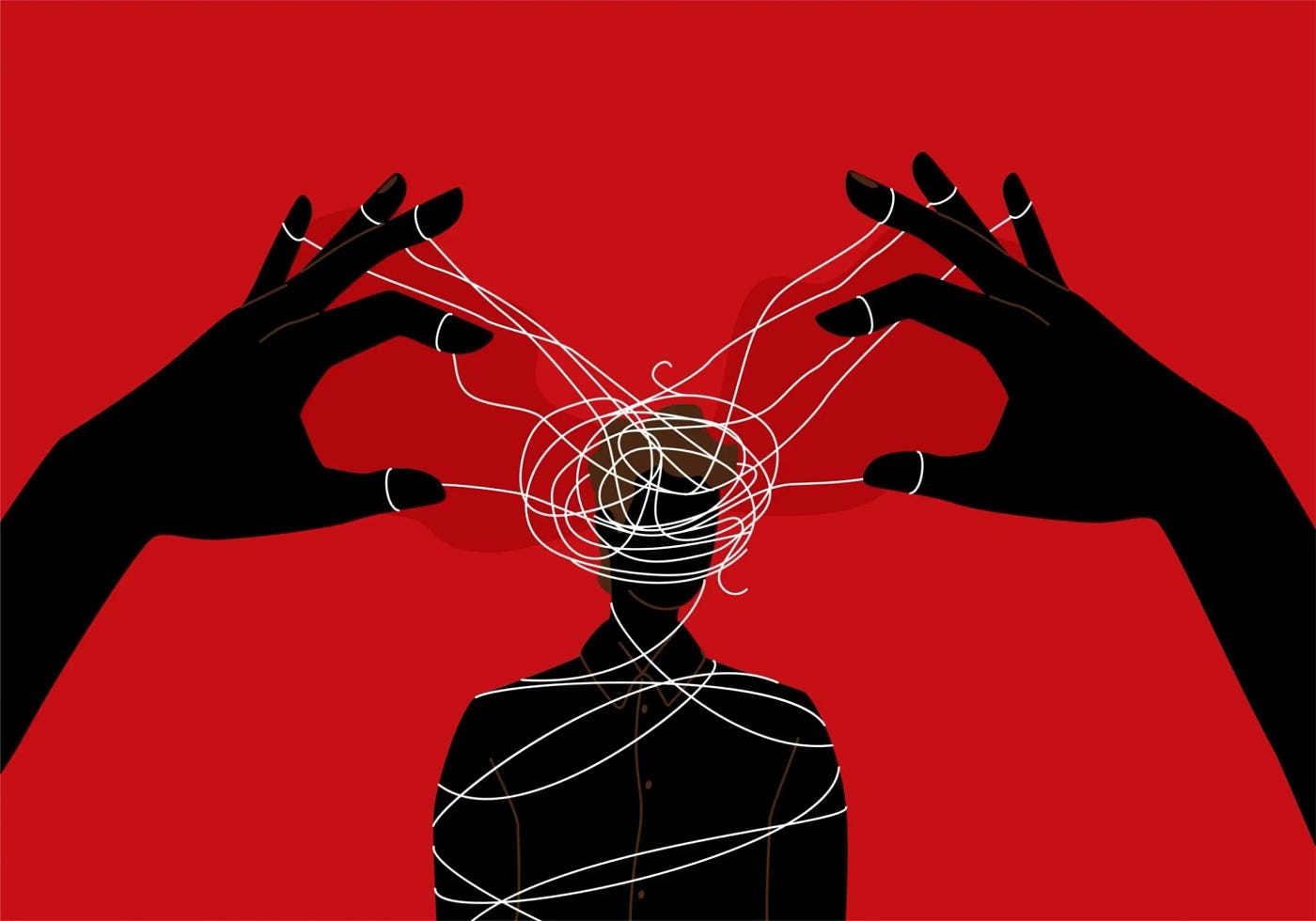
Manipulation is one of those words that often carries a negative weight. When we hear it, we instantly think of someone pulling strings behind the scenes, tricking or controlling others for selfish reasons. And while that’s true in many cases, manipulation is more than just deception—it’s a complex behavior that can show up in subtle, everyday ways.

What Is Manipulation?

At its core, manipulation is the act of influencing someone’s thoughts, emotions, or actions, often in indirect or deceptive ways. Unlike healthy persuasion—where transparency and honesty are present—manipulation usually involves hidden intentions. The manipulator may twist facts, play on emotions, or use guilt and pressure to achieve their goals.

Common Signs of Manipulation

Manipulation can be hard to spot because it often hides behind charm or concern. Here are a few red flags:

  • Guilt-tripping: Making you feel responsible for their emotions or decisions.

  • Gaslighting: Denying facts or twisting reality to make you doubt yourself.

  • Silent treatment: Using withdrawal or silence as a way to punish or control.

  • Flattery with a catch: Excessive praise followed by a request or demand.

  • Playing the victim: Turning situations around to gain sympathy and avoid accountability.

Why Do People Manipulate?

People manipulate for different reasons—sometimes out of insecurity, fear of rejection, or a need for control. Others may have learned it as a survival tactic. Regardless of the motive, manipulation is harmful because it erodes trust, breeds resentment, and can leave the target feeling powerless or confused.

How to Protect Yourself

  • Recognize patterns: Awareness is the first step. If something feels “off,” pay attention.

  • Set clear boundaries: Learn to say no without guilt. Boundaries are your shield.

  • Trust your instincts: If you constantly feel drained or doubting yourself around someone, that’s a sign.

  • Seek clarity: Ask direct questions and look for straightforward answers. Manipulators thrive on vagueness.

  • Prioritize self-respect: Remember, your worth isn’t defined by how well you please others.

Healthy Influence vs. Manipulation

It’s worth noting that not all influence is manipulation. Teaching, mentoring, or inspiring others to grow can be a positive form of influence—because it’s based on honesty and respect. The key difference lies in intent: manipulation serves the manipulator, while healthy influence benefits everyone involved.


Monday, September 22, 2025

The Benefits of Meditation: Finding Peace in a Busy World


In today’s fast-moving world, stress, anxiety, and endless distractions have become part of everyday life. In the middle of all this noise, meditation stands out as a powerful way to bring back balance, focus, and peace of mind. Once seen mainly as a spiritual practice, it is now recognized worldwide as a practical tool for improving mental, emotional, and even physical health.

1. Reduces Stress and Anxiety

One of the biggest benefits of meditation is its ability to lower stress. When we meditate, the body shifts into a relaxed state, reducing the release of stress hormones like cortisol. This eases tension, calms the mind, and creates a sense of peace. Regular meditation can also reduce anxiety, helping you face challenges with more clarity and calmness.

2. Improves Focus and Concentration

With constant notifications fighting for our attention, meditation helps train the mind to stay in the present moment. Practices like mindfulness meditation strengthen the brain’s ability to focus on one thing at a time. Research shows that even a few minutes each day can improve memory, focus, and overall productivity.

3. Enhances Emotional Well-being

Meditation builds self-awareness, helping people notice their thoughts and emotions without judgment. This leads to a more positive mindset, greater resilience, and better control over negative feelings like anger or frustration. Over time, it creates a stronger sense of emotional balance and stability.

4. Supports Physical Health

Meditation doesn’t just help the mind—it benefits the body as well. Studies suggest it can lower blood pressure, improve sleep, and strengthen the immune system. Breathing exercises and relaxation techniques can also boost circulation and even ease chronic pain for some people.

5. Improves Relationships

When you feel calmer, more mindful, and emotionally steady, your relationships naturally improve. Meditation encourages empathy and patience, making it easier to respond with thoughtfulness instead of reacting impulsively. This helps build healthier, more meaningful connections with family, friends, and colleagues.

6. Encourages Spiritual Growth

For many people, meditation is more than just a wellness tool—it’s a journey of self-discovery. It helps individuals connect more deeply with themselves, building a sense of purpose, gratitude, and inner peace. Whether approached from a spiritual or practical perspective, meditation allows you to appreciate life’s beauty more fully.

Friday, September 19, 2025

Feminism


Feminism is both a social and political movement that strives for gender equality. At its core, it seeks to challenge the systems that have historically placed women at a disadvantage. Many people mistakenly believe feminism is “anti-men,” but in reality, it’s about dismantling unfair structures so that everyone—no matter their gender—has equal rights and opportunities.

The story of feminism is often described in “waves.” The first wave focused on women’s suffrage and the fight for the right to vote. The second wave expanded to workplace equality, reproductive rights, and legal protections. The third wave emphasized diversity, recognizing how race, class, and sexual orientation intersect with gender issues. Today, we are in what many call the fourth wave, which highlights digital activism and addresses challenges like harassment, representation, and inclusivity.

Feminism is still crucial today because gender inequality persists globally. Women remain underrepresented in leadership, continue to face pay disparities, and experience higher rates of gender-based violence. Advocating for feminism helps create a world where opportunities aren’t determined by gender, respect is mutual, and every voice holds equal value.

Ultimately, feminism isn’t just about women—it’s about fairness. It’s about building a society where men aren’t boxed in by harmful stereotypes, where boys feel free to express emotions, and where equality lifts everyone.


Thursday, September 18, 2025

The Beautiful Bond Between Husband and Wife


The relationship between a husband and wife is one of the most meaningful and cherished connections in life. Built on love, trust, and companionship, it is not just about living together but growing together through every phase of life.

1. Partnership in Life

Marriage is a partnership where both individuals share responsibilities, dreams, and challenges. A husband and wife walk hand in hand, supporting each other through successes and failures. True companionship means being there not only during joyful times but also during hardships.

2. The Power of Communication

Effective communication is the heart of a strong marital bond. Sharing thoughts, feelings, and concerns openly builds trust and minimizes misunderstandings. A husband and wife who listen to each other with patience and empathy create a safe emotional space where love can flourish.

3. Respect and Trust

Respect is the foundation of love. When a husband and wife value each other’s opinions, dreams, and individuality, the bond grows deeper. Trust complements respect, ensuring that both feel secure and confident in their relationship.

4. Balancing Roles and Responsibilities

In today’s world, both partners often juggle work, family, and personal commitments. A strong relationship thrives when both share responsibilities equally and support each other in achieving personal and shared goals.

5. Growing Together

Marriage is not static—it evolves with time. A husband and wife grow together, learning from experiences, adapting to changes, and strengthening their connection. The journey becomes meaningful when both see each other not just as life partners but as best friends.

Tuesday, September 16, 2025

The Journey of Life: Embracing Every Chapter


Life is often described as a journey, a path we walk that is filled with countless twists, turns, and lessons. It is not a straight road, nor is it the same for everyone. Each of us experiences it differently, yet we all share the universal truth that life is precious, fleeting, and deeply meaningful.

The Beauty of Beginnings

Life begins with innocence. Childhood is a time of curiosity and wonder, where every discovery feels like magic. As children, we live in the moment—finding joy in simple things like laughter, play, and imagination. This stage of life reminds us of the importance of seeing the world with fresh eyes, of never losing our sense of awe.

The Struggles That Shape Us

As we grow, life introduces challenges. Adolescence and early adulthood bring moments of confusion, self-discovery, and struggle. It is during these times that we learn resilience. Mistakes, heartbreaks, and setbacks teach us lessons that no classroom ever could. Life, in its wisdom, doesn’t just hand us victories—it gives us obstacles so we can build strength, character, and empathy.

Finding Purpose

One of the most meaningful aspects of life is the search for purpose. Some people find it in their careers, others in relationships, and many in creativity, spirituality, or service to others. Purpose gives direction to our days and fuels our persistence during hard times. Without it, life can feel like a routine; with it, even the smallest moments take on great significance.

The Power of Connection

Life is not meant to be lived in isolation. Human connection—family, friendships, love—brings color to our existence. Sharing experiences, joys, and even sorrows creates bonds that remind us we are not alone in our journey. True happiness often comes from relationships, not possessions. The memories we cherish most are rarely about material things, but about the people who stood by us.

Embracing Change

Change is one of life’s constants. Seasons shift, circumstances evolve, and people grow. Resisting change often leads to frustration, but embracing it opens the door to growth. Every ending is also a beginning, every loss an opportunity for renewal. Life teaches us that nothing stays the same—and that is what makes every moment valuable.

The Gift of Gratitude

When we pause to appreciate what we have, life becomes richer. Gratitude shifts our perspective, allowing us to see blessings instead of focusing only on what we lack. From the morning sun to a kind word from a stranger, life is full of gifts that often go unnoticed. Practicing gratitude turns ordinary days into extraordinary ones.

Legacy and Reflection

As we move through the later chapters of life, reflection becomes important. We ask ourselves: What impact have I made? What will I leave behind? Legacy is not always about fame or wealth—it can be as simple as kindness, love, and the memories we give others. Life’s value is measured less by how long we live and more by how deeply we live.

Monday, September 15, 2025

Rise Above: The Power of Never Giving Up


Life is rarely a straight, smooth path. It twists, turns, and often throws challenges our way when we least expect them. There are moments when giving up feels easier than moving forward. Yet, the reality is that success often appears right after the moment we’re tempted to quit.

Look at history’s greatest achievements—they weren’t born from comfort, but from persistence. Thomas Edison endured thousands of failures before finally inventing the lightbulb. J.K. Rowling faced rejection from publisher after publisher before Harry Potter became a worldwide phenomenon. Imagine if they had stopped trying.

The truth is, failure isn’t the opposite of success—it’s a crucial part of the journey. Every setback carries a lesson, shaping us into stronger, wiser, and more resilient individuals. Each time we stumble, we’re being prepared for the victory ahead.

So the next time you feel the urge to stop, pause and remind yourself: your breakthrough might be closer than you think. Push forward. Believe in yourself. Keep moving, even when the road feels tough.

Your story is still unfolding, and within it lies the power to inspire not just yourself, but countless others who look to you as proof that perseverance pays off.

Saturday, September 13, 2025

The Benefits of Mindfulness: Why Being Present Matters


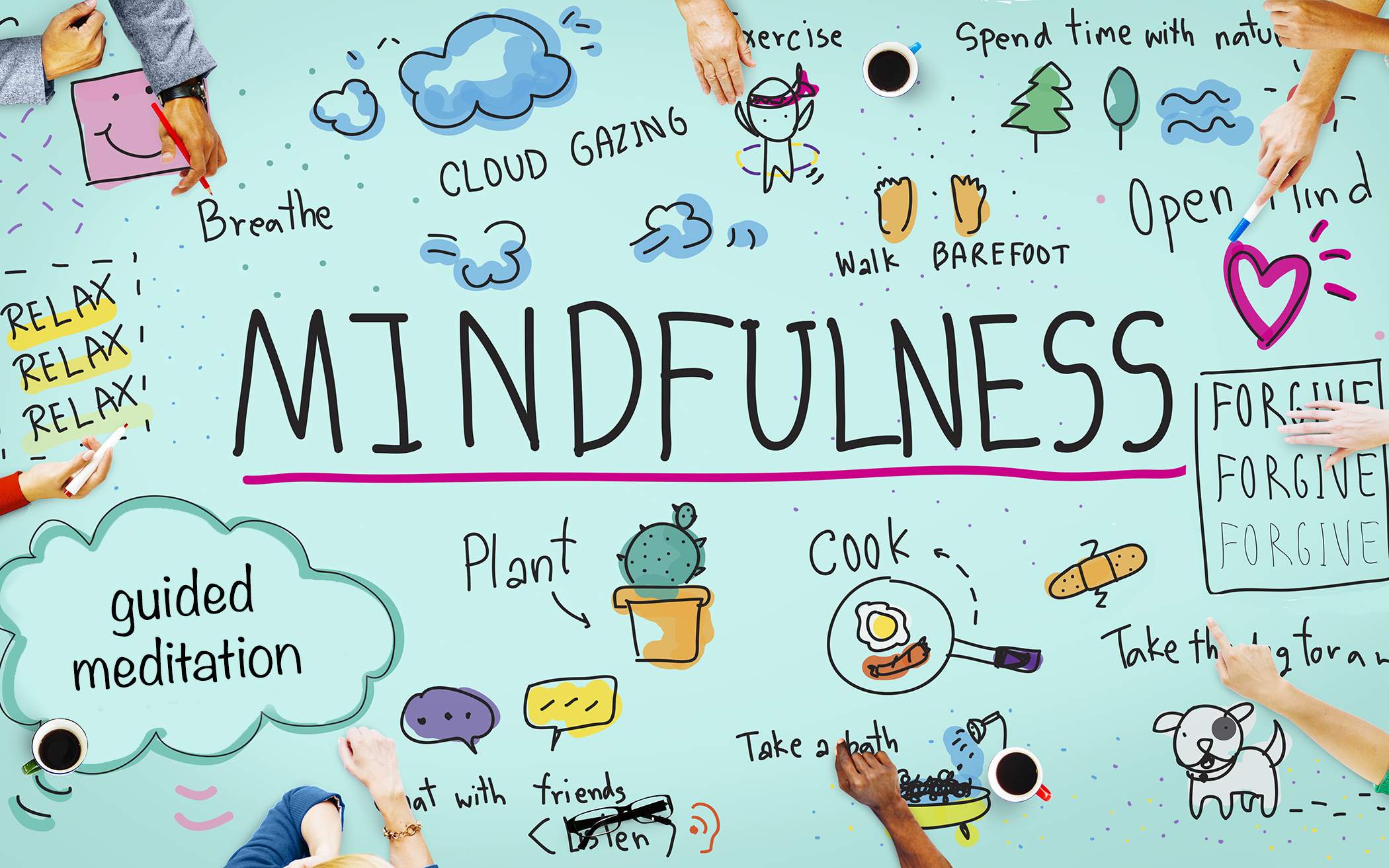
In today’s fast-paced world, it’s easy to feel overwhelmed, distracted, and constantly pulled in different directions. Between work responsibilities, personal commitments, and the constant buzz of notifications, many of us rarely take a moment to just be. This is where mindfulness comes in.

Mindfulness is the practice of being fully present and aware of your thoughts, feelings, and surroundings without judgment. While it may sound simple, its impact can be profound. Let’s explore some of the key benefits of incorporating mindfulness into daily life.

1. Reduces Stress

One of the most well-known benefits of mindfulness is its ability to lower stress levels. By focusing on the present moment instead of worrying about the past or future, mindfulness helps calm the mind and reduce the body’s stress response.

2. Improves Focus and Concentration

Practicing mindfulness trains the brain to stay present, which enhances attention and concentration. Over time, this can improve productivity and help you engage more fully in tasks.


3. Boosts Emotional Well-Being

Mindfulness encourages self-awareness and acceptance, which can help you manage negative emotions more effectively. By observing your thoughts without judgment, you gain perspective and emotional balance.

4. Supports Physical Health

Research has shown that mindfulness practices like meditation can lower blood pressure, improve sleep, and strengthen the immune system. The mind-body connection is powerful, and mindfulness nurtures it.

5. Enhances Relationships

When you are fully present with others, you listen more deeply and respond with greater empathy. Mindfulness fosters stronger, more meaningful connections.

Tuesday, April 22, 2025

Road Accidents: A Silent Epidemic We Can No Longer Ignore


In a world that’s constantly on the move, our roads have become both a symbol of progress and a site of tragedy. Road accidents are a global crisis, claiming over 1.3 million lives every year according to the World Health Organization. That’s more than 3,500 lives lost every single day. And the most tragic part? Most of these deaths are entirely preventable.

The Stark Numbers Behind the Crisis

  • 1.3 million people die each year in road traffic crashes.

  • Between 20 to 50 million more suffer non-fatal injuries, many resulting in long-term disabilities.

  • Road accidents are the leading cause of death among people aged 5–29.

  • Low- and middle-income countries account for 93% of road traffic deaths, even though they have only about 60% of the world’s vehicles.

Real-Life Impact: More Than Just Statistics

Behind every number is a story—of someone’s father, daughter, best friend, or neighbor. The emotional toll of road accidents is often immeasurable. Families are shattered, dreams are cut short, and survivors often face long recoveries—physically, emotionally, and financially.

Imagine leaving your home for a quick drive and never returning. Or surviving a crash but losing your ability to walk. These are not rare cases; they are daily realities for countless people around the world.

Why Are So Many Accidents Still Happening?

Despite advances in vehicle safety and road engineering, human error remains the leading cause of accidents:

  • Distractions from smartphones and infotainment systems.

  • Impatience and aggressive driving habits.

  • Lack of enforcement of basic road safety laws.

  • Insufficient driver education or licensing standards.

What Can Be Done?

The good news? Road accidents are preventable. With a mix of political will, public awareness, and individual responsibility, we can change the trajectory.

  • Government Action: Invest in safer road infrastructure and enforce traffic laws.

  • Community Programs: Educate drivers—especially new and young drivers—about the importance of road safety.

  • Vehicle Manufacturers: Make advanced safety features standard, not optional.

  • You and Me: Put the phone down. Obey speed limits. Don’t drink and drive. Buckle up. Stay alert.

The Alarming Reality of Road Accidents: Causes, Impact, and Prevention


Every year, millions of lives are affected by road accidents. From minor fender-benders to fatal collisions, the consequences can be devastating—not only for those directly involved but also for their families and communities. While some accidents are unavoidable, a large percentage can be prevented through awareness, responsible driving, and proper infrastructure.

Causes of Road Accidents

There are several leading causes of road accidents, including:

  1. Distracted Driving: Texting, eating, or using a GPS while driving diverts attention from the road.

  2. Speeding: Driving over the speed limit reduces the driver’s reaction time and increases the severity of accidents.

  3. Driving Under the Influence: Alcohol and drugs impair judgment and motor skills.

  4. Reckless Driving: Aggressive behavior such as tailgating, weaving through traffic, and ignoring traffic signals.

  5. Weather Conditions: Rain, fog, and ice can create dangerous driving conditions.

  6. Poor Road Infrastructure: Potholes, unclear signs, and lack of lighting can contribute to accidents.

The Human Cost

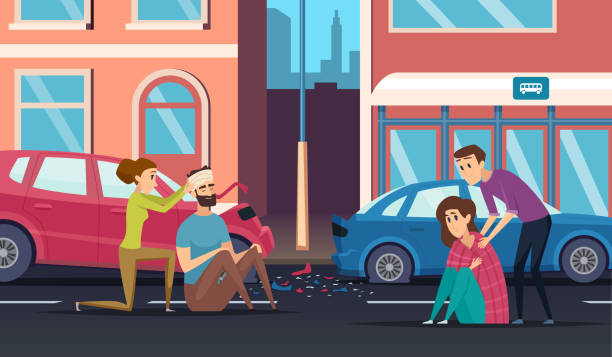
Beyond statistics, each accident represents real lives lost or altered. Victims may suffer from physical injuries, emotional trauma, and financial burdens. Families often face long-term hardships, especially in fatal accidents or cases involving long-term disability.

Prevention and Solutions

Reducing road accidents requires a collective effort from governments, communities, and individuals. Here are some effective strategies:

  • Education and Awareness: Campaigns about safe driving practices.

  • Stricter Law Enforcement: Penalties for traffic violations must be enforced consistently.

  • Better Road Design: Roads should be built and maintained with safety in mind.

  • Technology Integration: Use of dashcams, lane assist, automatic braking systems, and other safety tech in vehicles.

Thursday, April 17, 2025

Road Accidents: A Global Crisis Demanding Immediate Action


Every minute, road accidents claim lives somewhere in the world. With over 1.3 million people dying annually due to traffic-related incidents and tens of millions more injured or disabled, road safety is no longer just a national issue—it’s a global crisis. As the number of vehicles on the road continues to rise, especially in developing countries, the urgency for sustainable and effective prevention strategies has never been greater.


The Alarming Statistics

  • Road traffic injuries are the leading cause of death among people aged 5-29 years.

  • Over 90% of road traffic deaths occur in low- and middle-income countries, despite these nations having less than 60% of the world’s vehicles.

  • Pedestrians, cyclists, and motorcyclists make up more than half of all road traffic deaths.

These figures highlight the inequality in traffic safety and the need for global cooperation to address this issue.


Key Risk Factors Contributing to Road Accidents

1. Inadequate Infrastructure

Many regions lack safe pedestrian crossings, proper lighting, and road dividers, which increases the risk of accidents, especially in urban and semi-urban areas.

2. Poor Traffic Regulation

Weak enforcement of traffic laws leads to rampant violations such as speeding, running red lights, and driving under the influence.

3. Lack of Safety Gear

In many developing countries, the use of seat belts and helmets is low, even though their effectiveness in preventing fatal injuries is well-documented.

4. Growing Vehicle Density

As car ownership rises rapidly, many cities are unprepared to handle the surge, resulting in congestion, pollution, and more frequent collisions.


Preventive Strategies That Can Save Lives

1. Urban Planning and Infrastructure

  • Build dedicated bike lanes and pedestrian paths.

  • Install speed bumps and proper signage in high-risk areas.

  • Upgrade road lighting and visibility at night.

2. Legislative Action

  • Implement stricter laws around drunk driving, speeding, and distracted driving.

  • Increase penalties for violations to deter risky behavior.

3. Education and Public Awareness

  • Promote road safety through schools, workplaces, and community centers.

  • Encourage seatbelt and helmet use with consistent messaging.

4. Technological Interventions

  • Utilize traffic monitoring systems and smart signals to manage traffic flow.

  • Encourage the adoption of vehicles with advanced safety features like automatic braking and lane departure warnings.


Global Initiatives and Partnerships

International organizations like the World Health Organization (WHO) and the United Nations have declared road safety a development priority. Programs such as the UN Decade of Action for Road Safety (2021-2030) aim to halve global deaths and injuries from road traffic accidents by 2030. These efforts include:

  • Supporting countries in creating national road safety strategies.

  • Funding infrastructure improvements.

  • Encouraging international collaboration for data sharing and research.


The Role of Technology in the Future of Road Safety

With advancements in artificial intelligence, GPS tracking, and real-time data analytics, there is hope for a safer future. Smart cities equipped with AI-powered traffic management systems and connected vehicles could greatly reduce human error—the most common cause of accidents.

Additionally, the development of autonomous vehicles promises to revolutionize road safety by eliminating drunk or distracted driving. However, proper regulatory frameworks will be essential to ensure their safe integration into public roads.

Road Accidents: Causes, Consequences, and Solutions


Road accidents are one of the leading causes of death and injury around the globe. Every year, millions of lives are lost and many more are affected due to collisions on roads, making road safety a major public concern. Despite technological advancements in vehicles and infrastructure, the problem of road accidents continues to grow, especially in developing countries. This blog explores the causes, consequences, and possible solutions to reduce road accidents and promote safer roads for everyone.


1. Understanding Road Accidents

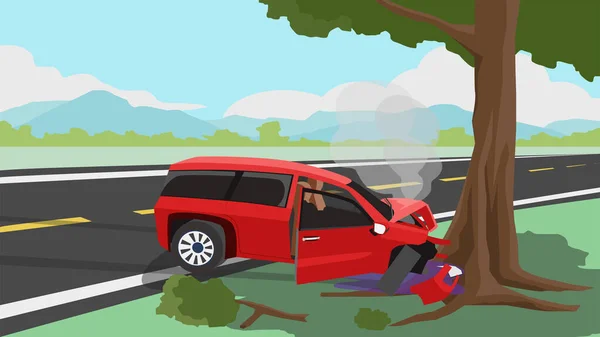
A road accident, also known as a traffic collision or crash, occurs when a vehicle collides with another vehicle, pedestrian, animal, road debris, or other stationary obstructions such as a tree or utility pole. The severity of road accidents can range from minor injuries and property damage to fatalities.


2. Major Causes of Road Accidents

Several factors contribute to road accidents. These can be broadly categorized into:

a. Human Error

  • Over-speeding: Driving beyond the speed limit is a leading cause of fatal crashes.

  • Distracted Driving: Mobile phone usage, eating, or adjusting the radio while driving are common distractions.

  • Drunk Driving: Alcohol impairs judgment, coordination, and reaction times.

  • Fatigue: Drowsy drivers can be as dangerous as intoxicated ones.

  • Violation of Traffic Rules: Jumping red lights, not using indicators, or ignoring stop signs can lead to severe accidents.

b. Vehicle-Related Issues

  • Poor Maintenance: Brake failures, tire blowouts, and engine problems increase accident risk.

  • Design Defects: Some vehicles may have design flaws that compromise safety.

c. Road Conditions

  • Potholes and Poorly Maintained Roads: These can cause drivers to lose control of their vehicles.

  • Lack of Signage: Inadequate or confusing road signs contribute to misjudgment and collisions.

  • Weather Conditions: Rain, fog, and snow reduce visibility and traction, increasing accident risks.


3. Consequences of Road Accidents

The aftermath of road accidents is devastating not only for the individuals involved but also for society at large.

a. Human Impact

  • Loss of Life: Fatalities due to accidents are often sudden and tragic.

  • Injuries: Many survivors suffer from life-long disabilities and trauma.

  • Psychological Trauma: Victims, witnesses, and families experience emotional distress, anxiety, and PTSD.

b. Economic Impact

  • Medical Costs: Hospitalization and rehabilitation are often expensive.

  • Property Damage: Vehicles and infrastructure repair or replacement cost millions annually.

  • Productivity Loss: Injuries and deaths result in lost workforce and income.


4. Road Safety Measures and Solutions

While road accidents can’t be eliminated entirely, many strategies can significantly reduce their occurrence and severity.

a. Education and Awareness

  • Driver Training: Proper education about road rules and defensive driving can prevent accidents.

  • Public Campaigns: Awareness about drunk driving, seat belts, and helmets helps change risky behaviors.

b. Law Enforcement

  • Strict Penalties: Enforcing laws related to speed limits, drunk driving, and use of mobile phones.

  • Surveillance: Use of traffic cameras and patrols to monitor and deter violations.

c. Engineering Improvements

  • Better Road Design: Clear signage, well-lit streets, and pedestrian-friendly infrastructure.

  • Vehicle Safety Features: Promoting use of seat belts, airbags, and anti-lock braking systems (ABS).

d. Emergency Response Systems

  • Quick Medical Help: Reducing response time to accident scenes saves lives.

  • Trauma Centers: Specialized units for accident victims can provide better care.


5. The Role of Individuals

Every road user has a role to play in making roads safer:

  • Always follow traffic rules.

  • Never drink and drive.

  • Avoid using phones while driving.

  • Maintain your vehicle regularly.

  • Drive at safe speeds, especially in residential and school zones.


Friday, April 11, 2025

The Silent Killer on Our Streets – Let’s Talk About Road Accidents


It usually starts like any other day.

Someone grabs their coffee, kisses their loved one goodbye, and heads out the door—never knowing that drive could be their last. Road accidents don’t send a warning. They strike fast, hit hard, and leave lives shattered in their wake.

Why Are We Still Letting This Happen?

We live in an age of incredible innovation. Our cars are smarter, our roads more advanced, and our phones can track our every move. Yet road accidents continue to be one of the leading causes of death worldwide. Why?

Because the problem isn’t just about technology—it’s about behavior.

  • A quick glance at a text.

  • A few drinks over the legal limit.

  • A little extra pressure on the gas pedal.

These moments of carelessness cost lives. And while we often hear the numbers—millions injured, over a million dead each year—it’s the stories that hit hardest. A student never making it to graduation. A child losing both parents in a split second. A young mother paralyzed from the waist down.

We Know the Causes – So What’s the Solution?

The good news? Road accidents are preventable. We just have to act like it.

  • Drive like your life depends on it—because it does.

  • Put the phone away.

  • Never drink and drive.

  • Obey speed limits—not because of fines, but because of lives.

Governments need to improve infrastructure. Law enforcement must crack down on violations. But above all, change starts with us. The person behind the wheel. The friend who says, “Hey, let me call you a cab.” The parent who teaches their kid about road safety.

Don’t Let a Moment Become a Lifetime of Regret

When we talk about road safety, we’re not talking about statistics. We’re talking about people. Real people with dreams, families, futures.

Let’s not wait for tragedy to knock on our door to start caring.


Road Accidents – A Preventable Tragedy


Every day, thousands of lives are lost or changed forever due to road accidents. What’s more troubling is that most of these accidents are preventable. Whether it's due to speeding, distracted driving, or driving under the influence, the consequences are often devastating.

The Stark Reality

According to global statistics, over 1.3 million people die annually due to road traffic crashes. That’s roughly 3,700 people every day. Behind each number is a human story — a family broken, a child orphaned, a dream cut short.

Common Causes of Road Accidents

  1. Distracted Driving – Texting, eating, or even adjusting the radio can take attention off the road.

  2. Speeding – Driving above the speed limit reduces reaction time and increases the severity of crashes.

  3. Drunk Driving – Alcohol impairs judgment, coordination, and reaction times.

  4. Weather Conditions – Rain, fog, or icy roads can make driving dangerous if one isn’t cautious.

  5. Reckless Driving – Tailgating, changing lanes too quickly, and ignoring traffic signs contribute to many accidents.

Impact Beyond the Crash

The aftermath of road accidents goes far beyond the scene. Victims may suffer from long-term disabilities, mental trauma, or financial burdens. Families often struggle emotionally and economically. Communities lose productive individuals, and economies bear the cost of healthcare and lost labor.

Prevention is Possible

  1. Education – Creating awareness about safe driving habits from an early age can lead to lifelong responsible behavior.

  2. Enforcement – Strict laws and their enforcement against speeding, drunk driving, and phone use can deter dangerous behavior.

  3. Engineering – Better road designs, traffic signs, and pedestrian crossings can reduce accidents significantly.

  4. Emergency Response – Quick and efficient medical assistance post-accident can save lives and reduce long-term damage.

Be the Change

As individuals, we all have a role to play. Buckle up, follow traffic rules, stay focused, and never drive under the influence. A few cautious decisions can save not only your life but someone else’s too.

Wednesday, April 9, 2025

Road Accidents: A Growing Crisis That Demands Our Attention


Road accidents are a silent global crisis. While headlines often highlight political drama or natural disasters, traffic accidents claim more than a million lives each year. Behind every number is a person — a family member, a friend, a colleague. And in many cases, these tragic losses could have been avoided.

The Main Causes Behind the Wheel

Understanding the causes of road accidents is the first step toward prevention. Some of the most common include:

  • Speeding: Driving above the speed limit reduces reaction time and increases the severity of crashes.

  • Distracted Driving: Mobile phones, GPS systems, eating, and even conversations can take a driver’s attention away from the road.

  • Driving Under the Influence: Alcohol and drugs impair judgment, coordination, and reaction time.

  • Fatigue: Drowsy driving can be as dangerous as drunk driving, especially on long, late-night journeys.

  • Poor Road Conditions: Potholes, faded markings, lack of signage, and inadequate lighting all contribute to risk.

  • Weather: Rain, fog, and snow reduce visibility and road grip, increasing accident chances.

The Ripple Effect of Road Accidents

Road accidents aren’t just about physical injury. Their impact runs deeper:

  • Emotional Trauma: Survivors and families of victims often face lasting psychological scars.

  • Economic Loss: From hospital bills to vehicle repairs and lost productivity, accidents can place a huge financial burden on individuals and nations.

  • Traffic Congestion: Even minor collisions cause massive delays, affecting cities and work routines.

Steps Toward Safer Roads

While the statistics are sobering, there’s hope. Preventing road accidents requires a multi-layered approach:

  1. Education and Awareness: Teaching responsible driving habits in schools, workplaces, and communities.

  2. Law Enforcement: Stricter penalties for speeding, DUI, and reckless driving can deter dangerous behavior.

  3. Technology: Modern cars now come with features like automatic braking, lane departure warnings, and drowsiness detection.

  4. Infrastructure Improvements: Better road design, proper signage, pedestrian crossings, and lighting are essential.

  5. Public Transport Investment: Fewer cars on the road means fewer chances for collisions.

A Call for Shared Responsibility

Everyone has a role in reducing road accidents — not just drivers. Pedestrians, cyclists, urban planners, policymakers, and tech developers all play a part. Whether it’s buckling up, slowing down, or speaking up when someone drives recklessly, small actions can save lives.

The Rising Concern of Road Accidents and How We Can Prevent Them


Road accidents are more than just unfortunate events on the highway — they’re a major public safety issue that impacts families, communities, and economies worldwide. Each year, thousands of lives are lost and even more people suffer life-altering injuries due to crashes on the road.

One of the leading causes of road accidents is human error. Speeding, distracted driving — often due to mobile phone use — and driving under the influence are just a few behaviors that contribute to these tragic events. In addition, poor road conditions and bad weather can make even the safest driver vulnerable.

What’s alarming is that many of these accidents are preventable. By simply obeying traffic laws, wearing seat belts, avoiding phone use while driving, and staying sober behind the wheel, countless lives could be saved. It’s not just up to drivers, though — governments and communities have a role to play too. Better infrastructure, stricter enforcement of laws, and ongoing awareness campaigns can create safer roads for everyone.

Road safety is a shared responsibility. Whether you're a driver, pedestrian, cyclist, or policymaker, small actions can have a big impact. Together, we can reduce road accidents and protect lives.

Tuesday, April 8, 2025

Road accidents are increasingly becoming a leading cause of injuries and fatalities worldwide


Road accidents are increasingly becoming a leading cause of injuries and fatalities worldwide. Each year, millions suffer harm or lose their lives due to traffic mishaps. Beyond the personal toll, these incidents also impose significant financial strains on families and governmental bodies.

A major contributor to these accidents is human error. Behaviors such as speeding, aggressive driving, using mobile phones while driving, and operating vehicles under the influence of drugs or alcohol greatly elevate accident risks. Additionally, bad road conditions, insufficient signage, and mechanical failures in vehicles further exacerbate the problem.

Those on foot, bicycles, or motorcycles face even greater dangers. In several developing nations, the absence of essential infrastructure—like proper footpaths, pedestrian crossings, and mandatory helmet laws—amplifies the threat to these road users.

Addressing road accidents requires collective action from both authorities and local communities. Enforcing traffic laws more stringently, spreading awareness, maintaining roadways, and enhancing vehicle safety features can significantly enhance road security. Educating drivers about responsible driving is also vital to making roads safer.

Ultimately, ensuring road safety is a shared duty. Through unified efforts and a commitment to reform, we can curb traffic accidents and protect countless lives.

Sunday, April 6, 2025

Understanding the Leading Causes of Accidents: A Closer Look at Everyday Risks


Accidents are unexpected events that can lead to injuries, fatalities, or property damage. Understanding the leading causes of accidents is essential for prevention and safety. These causes vary by setting, such as on the road, at work, or at home.

On the road, distracted driving is the most common cause of accidents. This includes texting, talking on the phone, eating, or using a navigation system while driving. Speeding also contributes significantly, as higher speeds reduce reaction time and increase the severity of crashes. Driving under the influence of alcohol or drugs impairs judgment and motor skills, making accidents more likely. Reckless driving, such as aggressive lane changes or tailgating, and poor weather conditions like rain or snow also play major roles.

In workplaces, accidents often result from slips, trips, and falls, usually caused by wet floors, uneven surfaces, or obstructed walkways. Improper lifting techniques can lead to serious back and muscle injuries. In industrial settings, falling objects and machinery-related incidents are common, particularly when safety procedures are not followed. A lack of proper personal protective equipment (PPE) significantly increases the risk of injury.

At home, falls are a leading cause of injury, especially for children and older adults. Household fires, often from unattended cooking or electrical issues, are another major hazard. Poisoning from household chemicals or medications is a frequent cause of emergency visits. Choking incidents are common among toddlers, while drowning remains a threat in bathtubs and swimming pools.

By recognizing these leading causes, individuals and organizations can implement safety measures to reduce risk and protect lives.

Saturday, April 5, 2025

The Leading Causes of Accidents: What You Need to Know to Stay Safe


Accidents don’t always come with a warning—they’re sudden, often shocking, and sometimes life-changing. Whether you're behind the wheel, working on a job site, or simply going about your day at home, understanding what causes most accidents can go a long way in helping you avoid them. Here's a closer look at the most common causes across various settings:


🚗 On the Road: Where Distraction and Speed Can Be Deadly

  1. Distracted Driving
    This is the #1 cause of road accidents. From texting and talking to eating or adjusting your GPS, any moment your eyes are off the road can lead to disaster.

  2. Speeding
    Driving over the limit gives you less time to react and turns what could’ve been a fender-bender into a serious crash.

  3. Driving Under the Influence
    Alcohol and drugs dull your senses and slow reaction times—making you a danger to yourself and everyone around you.

  4. Reckless Driving
    Aggressive lane changes, tailgating, and ignoring traffic signals create chaos and confusion, often ending in collisions.

  5. Poor Weather Conditions
    Rain, snow, and fog can reduce visibility and road grip. Not adjusting your driving for these conditions increases accident risk.


🏗️ In the Workplace: When Safety Takes a Backseat

  1. Slips, Trips, and Falls
    The most common workplace injuries happen due to wet floors, cluttered spaces, or uneven ground.

  2. Lifting Injuries
    Improper lifting can strain muscles or cause back injuries—especially in jobs requiring physical labor.

  3. Falling Objects
    In warehouses or construction sites, unsecured items can drop from above, causing serious harm.

  4. Machinery Accidents
    Without proper training or safety guards, machines can turn dangerous in a split second.

  5. Lack of Protective Gear
    Not using gloves, helmets, or goggles leaves workers vulnerable to chemical, electrical, or impact-related injuries.


🏠 At Home: Where Comfort Can Breed Complacency

  1. Falls
    These are the leading cause of injury in the home—especially for kids and the elderly. Stairs, slippery bathrooms, and loose rugs are frequent culprits.

  2. Fires
    From unattended stoves to faulty wiring, home fires can start in seconds and spiral out of control quickly.

  3. Poisoning
    Household cleaners, medications, and even cosmetics can be dangerous—especially in the hands of curious children.

  4. Choking
    A top hazard for young children, often caused by small toys or food that’s not cut properly.

  5. Drowning
    Bathtubs and backyard pools are serious risks if left unsupervised, even for a minute.

Why Accidents Are Increasing in Today’s World: A Growing Crisis


Accidents have become an increasingly common part of everyday life. From road mishaps to workplace injuries and domestic incidents, the numbers are climbing—and fast. What was once seen as the result of rare misfortune is now happening with alarming frequency. But why are accidents growing in number, and what can be done about it?

Modern Lifestyles and Distraction

In today’s fast-paced world, distraction is one of the leading causes of accidents. The rise of smartphones, social media, and multitasking has created a generation that is always connected—but not always aware of their surroundings. This constant distraction is particularly dangerous when driving or operating machinery, often leading to preventable accidents.

Urban Growth and Congestion

Cities are growing rapidly, and so is traffic. With more vehicles on the roads, more pedestrians, and more bicycles sharing the same space, the chances of collisions have increased. Urban congestion also leads to stress and impatience behind the wheel, which further contributes to road rage and reckless behavior.

Neglected Safety Standards

As industries try to meet higher demands at faster rates, safety sometimes takes a back seat. Shortcuts, lack of training, and outdated safety equipment can all lead to workplace incidents. In developing regions, enforcement of safety regulations is often weak or inconsistent.

Weather and Environmental Factors

Climate change is causing more extreme weather conditions—heavy rains, flooding, snow, and fog. These conditions can make roads and public spaces dangerous, leading to slips, falls, or vehicle crashes.

Lack of Awareness and Preparedness

In many cases, accidents happen because people simply don’t know how to avoid them or respond to emergencies. Public awareness campaigns are not always effective, and basic safety education is often overlooked, especially in rural areas.

A Call for Action

The rising trend of accidents calls for immediate action from all levels of society. Governments must tighten safety laws and improve infrastructure. Employers must create safer work environments. Most importantly, individuals must become more conscious of their actions and surroundings.

Mental Health Awareness: Why It Matters More Than Ever

  In today’s fast-paced world, discussions around health often center on physical fitness, nutrition, or workout routines. While these are ...