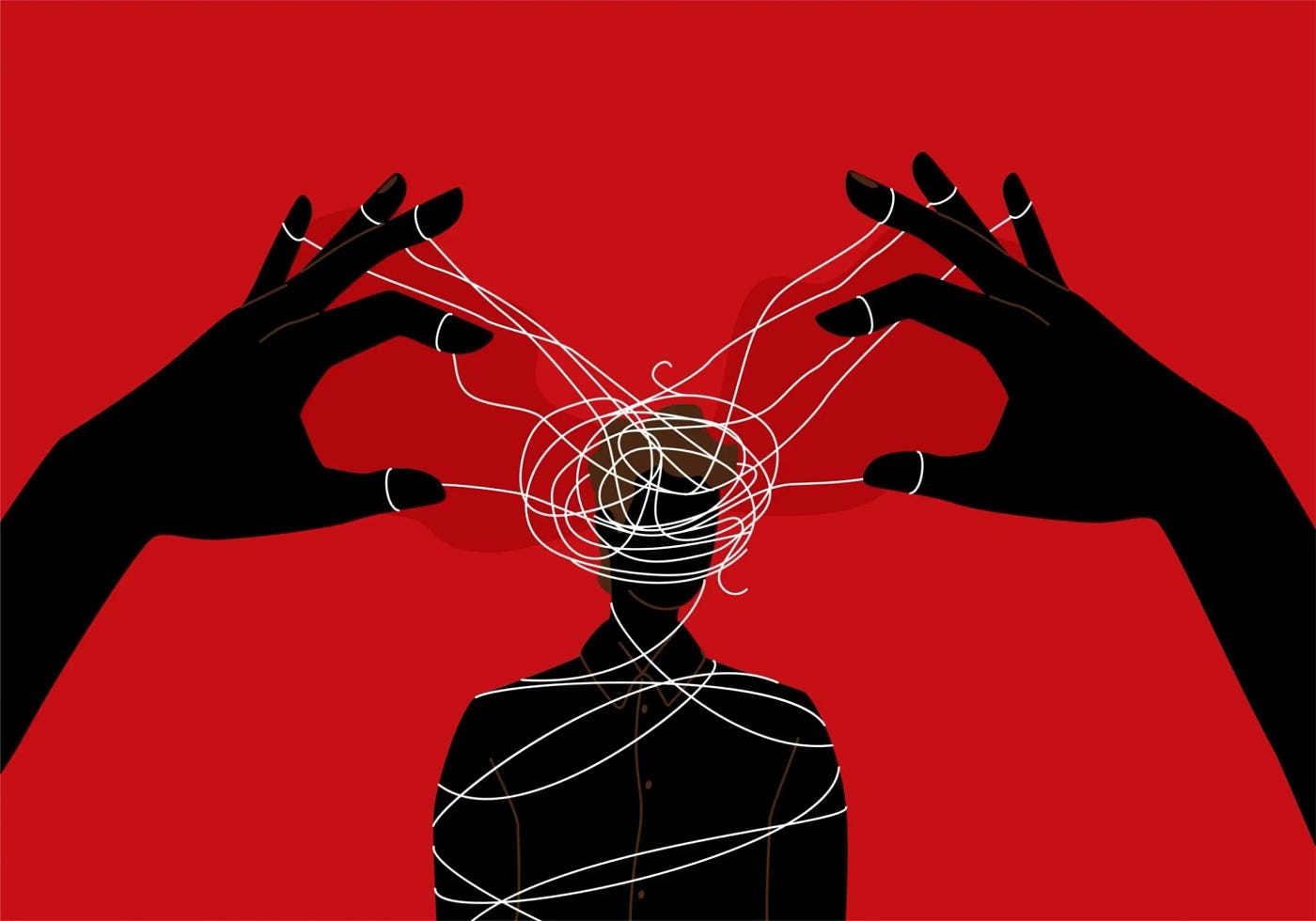
What Is Manipulation?
At its core, manipulation is the act of influencing someone’s thoughts, emotions, or actions, often in indirect or deceptive ways. Unlike healthy persuasion—where transparency and honesty are present—manipulation usually involves hidden intentions. The manipulator may twist facts, play on emotions, or use guilt and pressure to achieve their goals.
Common Signs of Manipulation
Manipulation can be hard to spot because it often hides behind charm or concern. Here are a few red flags:
-
Guilt-tripping: Making you feel responsible for their emotions or decisions.
-
Gaslighting: Denying facts or twisting reality to make you doubt yourself.
-
Silent treatment: Using withdrawal or silence as a way to punish or control.
-
Flattery with a catch: Excessive praise followed by a request or demand.
-
Playing the victim: Turning situations around to gain sympathy and avoid accountability.
Why Do People Manipulate?
People manipulate for different reasons—sometimes out of insecurity, fear of rejection, or a need for control. Others may have learned it as a survival tactic. Regardless of the motive, manipulation is harmful because it erodes trust, breeds resentment, and can leave the target feeling powerless or confused.
How to Protect Yourself
-
Recognize patterns: Awareness is the first step. If something feels “off,” pay attention.
-
Set clear boundaries: Learn to say no without guilt. Boundaries are your shield.
-
Trust your instincts: If you constantly feel drained or doubting yourself around someone, that’s a sign.
-
Seek clarity: Ask direct questions and look for straightforward answers. Manipulators thrive on vagueness.
-
Prioritize self-respect: Remember, your worth isn’t defined by how well you please others.
Healthy Influence vs. Manipulation
It’s worth noting that not all influence is manipulation. Teaching, mentoring, or inspiring others to grow can be a positive form of influence—because it’s based on honesty and respect. The key difference lies in intent: manipulation serves the manipulator, while healthy influence benefits everyone involved.



No comments:
Post a Comment