Thursday, October 2, 2025

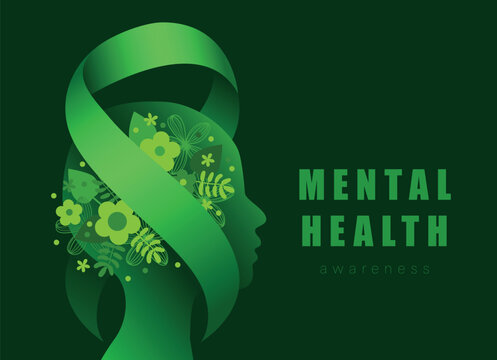
Mental Health Awareness: Why It Matters More Than Ever


In today’s fast-paced world, discussions around health often center on physical fitness, nutrition, or workout routines. While these are valuable, one vital aspect is often overlooked—mental health. Our mental well-being influences how we think, feel, and connect with others. Just like our physical health, it needs care, compassion, and attention.

Breaking the Stigma

For years, mental health has carried stigma and silence. Many hesitate to share their struggles out of fear of judgment. This silence often leaves people battling alone. The reality is, mental health challenges are widespread and part of being human. Anxiety, depression, stress, and burnout are not weaknesses—they’re signals that something within us requires attention.

When we speak openly about mental health, we break barriers and foster a culture built on empathy and acceptance.

Why Awareness Matters

  • Early Detection Saves Lives: Identifying signs such as prolonged sadness, lack of interest, or extreme stress can lead to early intervention and better outcomes.

  • Promotes Compassion: Awareness encourages us to treat ourselves and others with greater kindness, especially those struggling in silence.

  • Boosts Overall Health: Mental and physical health are deeply interconnected. A healthy mind often leads to a healthier body.

Small Steps That Create Big Change

Spreading mental health awareness doesn’t always require large campaigns—it can begin with simple, everyday actions:

  • Check in with loved ones—even asking “How are you, really?” can mean the world.

  • Practice self-care—get proper rest, eat well, take breaks, and enjoy activities that bring you peace.

  • Educate yourself and others—learn about mental health conditions to replace stigma with understanding.

  • Seek help without guilt—therapy, counseling, or opening up to someone you trust can make a profound difference.

The Way Forward

Awareness is the foundation of healing. By normalizing conversations around mental health, we create a safer space for people to seek support. Mental health is just as important as physical health, and nurturing your mind is not optional—it’s essential.

Let’s work toward a future where mental health is openly discussed, valued, and cared for. Because ultimately, it’s okay not to feel okay—and it’s a courageous step to ask for help.

Tuesday, September 23, 2025

Understanding Manipulation: The Silent Power Play


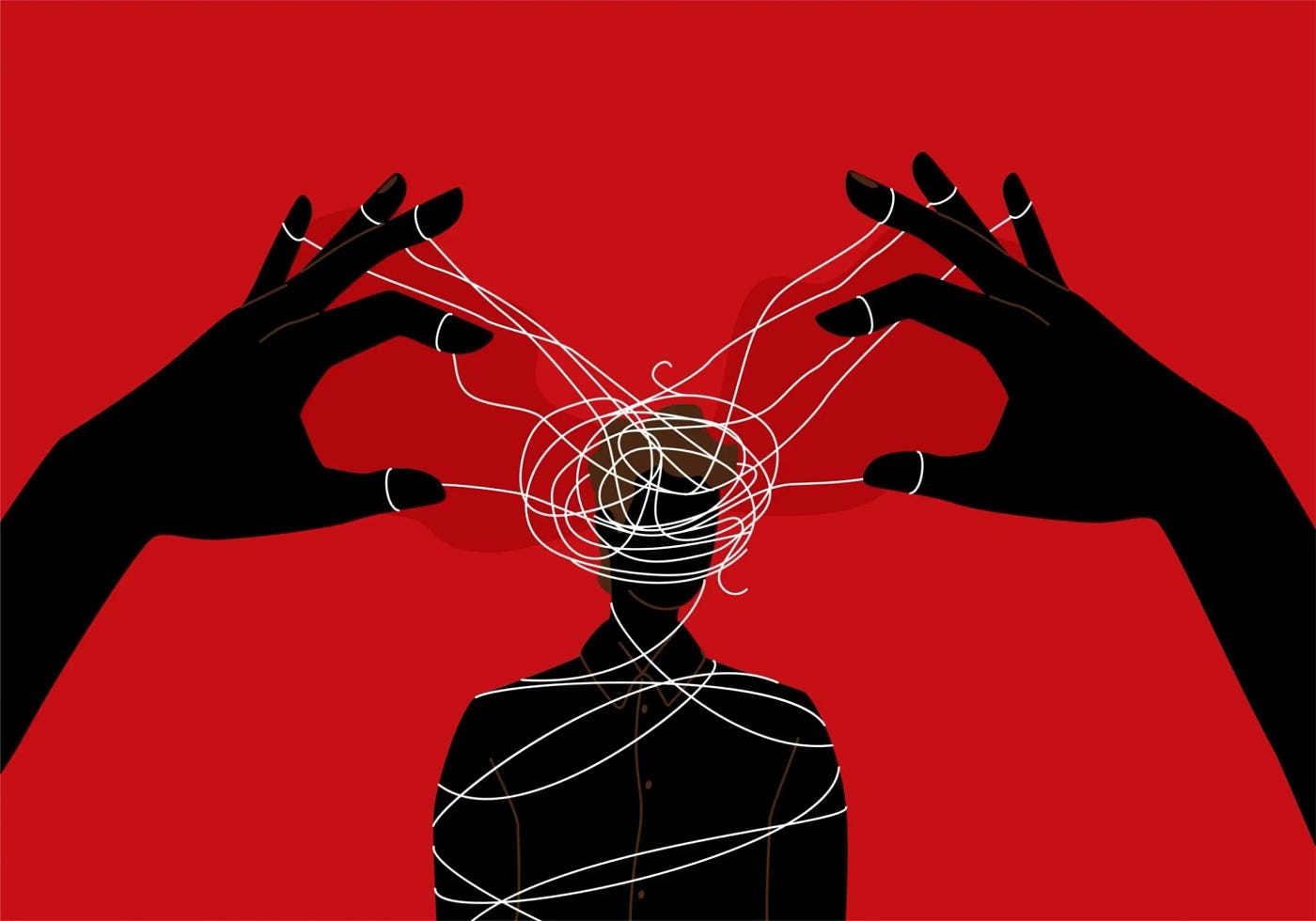
Manipulation is one of those words that often carries a negative weight. When we hear it, we instantly think of someone pulling strings behind the scenes, tricking or controlling others for selfish reasons. And while that’s true in many cases, manipulation is more than just deception—it’s a complex behavior that can show up in subtle, everyday ways.

What Is Manipulation?

At its core, manipulation is the act of influencing someone’s thoughts, emotions, or actions, often in indirect or deceptive ways. Unlike healthy persuasion—where transparency and honesty are present—manipulation usually involves hidden intentions. The manipulator may twist facts, play on emotions, or use guilt and pressure to achieve their goals.

Common Signs of Manipulation

Manipulation can be hard to spot because it often hides behind charm or concern. Here are a few red flags:

  • Guilt-tripping: Making you feel responsible for their emotions or decisions.

  • Gaslighting: Denying facts or twisting reality to make you doubt yourself.

  • Silent treatment: Using withdrawal or silence as a way to punish or control.

  • Flattery with a catch: Excessive praise followed by a request or demand.

  • Playing the victim: Turning situations around to gain sympathy and avoid accountability.

Why Do People Manipulate?

People manipulate for different reasons—sometimes out of insecurity, fear of rejection, or a need for control. Others may have learned it as a survival tactic. Regardless of the motive, manipulation is harmful because it erodes trust, breeds resentment, and can leave the target feeling powerless or confused.

How to Protect Yourself

  • Recognize patterns: Awareness is the first step. If something feels “off,” pay attention.

  • Set clear boundaries: Learn to say no without guilt. Boundaries are your shield.

  • Trust your instincts: If you constantly feel drained or doubting yourself around someone, that’s a sign.

  • Seek clarity: Ask direct questions and look for straightforward answers. Manipulators thrive on vagueness.

  • Prioritize self-respect: Remember, your worth isn’t defined by how well you please others.

Healthy Influence vs. Manipulation

It’s worth noting that not all influence is manipulation. Teaching, mentoring, or inspiring others to grow can be a positive form of influence—because it’s based on honesty and respect. The key difference lies in intent: manipulation serves the manipulator, while healthy influence benefits everyone involved.


Monday, September 22, 2025

The Benefits of Meditation: Finding Peace in a Busy World


In today’s fast-moving world, stress, anxiety, and endless distractions have become part of everyday life. In the middle of all this noise, meditation stands out as a powerful way to bring back balance, focus, and peace of mind. Once seen mainly as a spiritual practice, it is now recognized worldwide as a practical tool for improving mental, emotional, and even physical health.

1. Reduces Stress and Anxiety

One of the biggest benefits of meditation is its ability to lower stress. When we meditate, the body shifts into a relaxed state, reducing the release of stress hormones like cortisol. This eases tension, calms the mind, and creates a sense of peace. Regular meditation can also reduce anxiety, helping you face challenges with more clarity and calmness.

2. Improves Focus and Concentration

With constant notifications fighting for our attention, meditation helps train the mind to stay in the present moment. Practices like mindfulness meditation strengthen the brain’s ability to focus on one thing at a time. Research shows that even a few minutes each day can improve memory, focus, and overall productivity.

3. Enhances Emotional Well-being

Meditation builds self-awareness, helping people notice their thoughts and emotions without judgment. This leads to a more positive mindset, greater resilience, and better control over negative feelings like anger or frustration. Over time, it creates a stronger sense of emotional balance and stability.

4. Supports Physical Health

Meditation doesn’t just help the mind—it benefits the body as well. Studies suggest it can lower blood pressure, improve sleep, and strengthen the immune system. Breathing exercises and relaxation techniques can also boost circulation and even ease chronic pain for some people.

5. Improves Relationships

When you feel calmer, more mindful, and emotionally steady, your relationships naturally improve. Meditation encourages empathy and patience, making it easier to respond with thoughtfulness instead of reacting impulsively. This helps build healthier, more meaningful connections with family, friends, and colleagues.

6. Encourages Spiritual Growth

For many people, meditation is more than just a wellness tool—it’s a journey of self-discovery. It helps individuals connect more deeply with themselves, building a sense of purpose, gratitude, and inner peace. Whether approached from a spiritual or practical perspective, meditation allows you to appreciate life’s beauty more fully.

Friday, September 19, 2025

Feminism


Feminism is both a social and political movement that strives for gender equality. At its core, it seeks to challenge the systems that have historically placed women at a disadvantage. Many people mistakenly believe feminism is “anti-men,” but in reality, it’s about dismantling unfair structures so that everyone—no matter their gender—has equal rights and opportunities.

The story of feminism is often described in “waves.” The first wave focused on women’s suffrage and the fight for the right to vote. The second wave expanded to workplace equality, reproductive rights, and legal protections. The third wave emphasized diversity, recognizing how race, class, and sexual orientation intersect with gender issues. Today, we are in what many call the fourth wave, which highlights digital activism and addresses challenges like harassment, representation, and inclusivity.

Feminism is still crucial today because gender inequality persists globally. Women remain underrepresented in leadership, continue to face pay disparities, and experience higher rates of gender-based violence. Advocating for feminism helps create a world where opportunities aren’t determined by gender, respect is mutual, and every voice holds equal value.

Ultimately, feminism isn’t just about women—it’s about fairness. It’s about building a society where men aren’t boxed in by harmful stereotypes, where boys feel free to express emotions, and where equality lifts everyone.


Thursday, September 18, 2025

The Beautiful Bond Between Husband and Wife


The relationship between a husband and wife is one of the most meaningful and cherished connections in life. Built on love, trust, and companionship, it is not just about living together but growing together through every phase of life.

1. Partnership in Life

Marriage is a partnership where both individuals share responsibilities, dreams, and challenges. A husband and wife walk hand in hand, supporting each other through successes and failures. True companionship means being there not only during joyful times but also during hardships.

2. The Power of Communication

Effective communication is the heart of a strong marital bond. Sharing thoughts, feelings, and concerns openly builds trust and minimizes misunderstandings. A husband and wife who listen to each other with patience and empathy create a safe emotional space where love can flourish.

3. Respect and Trust

Respect is the foundation of love. When a husband and wife value each other’s opinions, dreams, and individuality, the bond grows deeper. Trust complements respect, ensuring that both feel secure and confident in their relationship.

4. Balancing Roles and Responsibilities

In today’s world, both partners often juggle work, family, and personal commitments. A strong relationship thrives when both share responsibilities equally and support each other in achieving personal and shared goals.

5. Growing Together

Marriage is not static—it evolves with time. A husband and wife grow together, learning from experiences, adapting to changes, and strengthening their connection. The journey becomes meaningful when both see each other not just as life partners but as best friends.

Tuesday, September 16, 2025

The Journey of Life: Embracing Every Chapter


Life is often described as a journey, a path we walk that is filled with countless twists, turns, and lessons. It is not a straight road, nor is it the same for everyone. Each of us experiences it differently, yet we all share the universal truth that life is precious, fleeting, and deeply meaningful.

The Beauty of Beginnings

Life begins with innocence. Childhood is a time of curiosity and wonder, where every discovery feels like magic. As children, we live in the moment—finding joy in simple things like laughter, play, and imagination. This stage of life reminds us of the importance of seeing the world with fresh eyes, of never losing our sense of awe.

The Struggles That Shape Us

As we grow, life introduces challenges. Adolescence and early adulthood bring moments of confusion, self-discovery, and struggle. It is during these times that we learn resilience. Mistakes, heartbreaks, and setbacks teach us lessons that no classroom ever could. Life, in its wisdom, doesn’t just hand us victories—it gives us obstacles so we can build strength, character, and empathy.

Finding Purpose

One of the most meaningful aspects of life is the search for purpose. Some people find it in their careers, others in relationships, and many in creativity, spirituality, or service to others. Purpose gives direction to our days and fuels our persistence during hard times. Without it, life can feel like a routine; with it, even the smallest moments take on great significance.

The Power of Connection

Life is not meant to be lived in isolation. Human connection—family, friendships, love—brings color to our existence. Sharing experiences, joys, and even sorrows creates bonds that remind us we are not alone in our journey. True happiness often comes from relationships, not possessions. The memories we cherish most are rarely about material things, but about the people who stood by us.

Embracing Change

Change is one of life’s constants. Seasons shift, circumstances evolve, and people grow. Resisting change often leads to frustration, but embracing it opens the door to growth. Every ending is also a beginning, every loss an opportunity for renewal. Life teaches us that nothing stays the same—and that is what makes every moment valuable.

The Gift of Gratitude

When we pause to appreciate what we have, life becomes richer. Gratitude shifts our perspective, allowing us to see blessings instead of focusing only on what we lack. From the morning sun to a kind word from a stranger, life is full of gifts that often go unnoticed. Practicing gratitude turns ordinary days into extraordinary ones.

Legacy and Reflection

As we move through the later chapters of life, reflection becomes important. We ask ourselves: What impact have I made? What will I leave behind? Legacy is not always about fame or wealth—it can be as simple as kindness, love, and the memories we give others. Life’s value is measured less by how long we live and more by how deeply we live.

Monday, September 15, 2025

Rise Above: The Power of Never Giving Up


Life is rarely a straight, smooth path. It twists, turns, and often throws challenges our way when we least expect them. There are moments when giving up feels easier than moving forward. Yet, the reality is that success often appears right after the moment we’re tempted to quit.

Look at history’s greatest achievements—they weren’t born from comfort, but from persistence. Thomas Edison endured thousands of failures before finally inventing the lightbulb. J.K. Rowling faced rejection from publisher after publisher before Harry Potter became a worldwide phenomenon. Imagine if they had stopped trying.

The truth is, failure isn’t the opposite of success—it’s a crucial part of the journey. Every setback carries a lesson, shaping us into stronger, wiser, and more resilient individuals. Each time we stumble, we’re being prepared for the victory ahead.

So the next time you feel the urge to stop, pause and remind yourself: your breakthrough might be closer than you think. Push forward. Believe in yourself. Keep moving, even when the road feels tough.

Your story is still unfolding, and within it lies the power to inspire not just yourself, but countless others who look to you as proof that perseverance pays off.

Mental Health Awareness: Why It Matters More Than Ever

  In today’s fast-paced world, discussions around health often center on physical fitness, nutrition, or workout routines. While these are ...