Saturday, September 13, 2025

The Benefits of Mindfulness: Why Being Present Matters


In today’s fast-paced world, it’s easy to feel overwhelmed, distracted, and constantly pulled in different directions. Between work responsibilities, personal commitments, and the constant buzz of notifications, many of us rarely take a moment to just be. This is where mindfulness comes in.

Mindfulness is the practice of being fully present and aware of your thoughts, feelings, and surroundings without judgment. While it may sound simple, its impact can be profound. Let’s explore some of the key benefits of incorporating mindfulness into daily life.

1. Reduces Stress

One of the most well-known benefits of mindfulness is its ability to lower stress levels. By focusing on the present moment instead of worrying about the past or future, mindfulness helps calm the mind and reduce the body’s stress response.

2. Improves Focus and Concentration

Practicing mindfulness trains the brain to stay present, which enhances attention and concentration. Over time, this can improve productivity and help you engage more fully in tasks.


3. Boosts Emotional Well-Being

Mindfulness encourages self-awareness and acceptance, which can help you manage negative emotions more effectively. By observing your thoughts without judgment, you gain perspective and emotional balance.

4. Supports Physical Health

Research has shown that mindfulness practices like meditation can lower blood pressure, improve sleep, and strengthen the immune system. The mind-body connection is powerful, and mindfulness nurtures it.

5. Enhances Relationships

When you are fully present with others, you listen more deeply and respond with greater empathy. Mindfulness fosters stronger, more meaningful connections.

Tuesday, April 22, 2025

Road Accidents: A Silent Epidemic We Can No Longer Ignore


In a world that’s constantly on the move, our roads have become both a symbol of progress and a site of tragedy. Road accidents are a global crisis, claiming over 1.3 million lives every year according to the World Health Organization. That’s more than 3,500 lives lost every single day. And the most tragic part? Most of these deaths are entirely preventable.

The Stark Numbers Behind the Crisis

  • 1.3 million people die each year in road traffic crashes.

  • Between 20 to 50 million more suffer non-fatal injuries, many resulting in long-term disabilities.

  • Road accidents are the leading cause of death among people aged 5–29.

  • Low- and middle-income countries account for 93% of road traffic deaths, even though they have only about 60% of the world’s vehicles.

Real-Life Impact: More Than Just Statistics

Behind every number is a story—of someone’s father, daughter, best friend, or neighbor. The emotional toll of road accidents is often immeasurable. Families are shattered, dreams are cut short, and survivors often face long recoveries—physically, emotionally, and financially.

Imagine leaving your home for a quick drive and never returning. Or surviving a crash but losing your ability to walk. These are not rare cases; they are daily realities for countless people around the world.

Why Are So Many Accidents Still Happening?

Despite advances in vehicle safety and road engineering, human error remains the leading cause of accidents:

  • Distractions from smartphones and infotainment systems.

  • Impatience and aggressive driving habits.

  • Lack of enforcement of basic road safety laws.

  • Insufficient driver education or licensing standards.

What Can Be Done?

The good news? Road accidents are preventable. With a mix of political will, public awareness, and individual responsibility, we can change the trajectory.

  • Government Action: Invest in safer road infrastructure and enforce traffic laws.

  • Community Programs: Educate drivers—especially new and young drivers—about the importance of road safety.

  • Vehicle Manufacturers: Make advanced safety features standard, not optional.

  • You and Me: Put the phone down. Obey speed limits. Don’t drink and drive. Buckle up. Stay alert.

The Alarming Reality of Road Accidents: Causes, Impact, and Prevention


Every year, millions of lives are affected by road accidents. From minor fender-benders to fatal collisions, the consequences can be devastating—not only for those directly involved but also for their families and communities. While some accidents are unavoidable, a large percentage can be prevented through awareness, responsible driving, and proper infrastructure.

Causes of Road Accidents

There are several leading causes of road accidents, including:

  1. Distracted Driving: Texting, eating, or using a GPS while driving diverts attention from the road.

  2. Speeding: Driving over the speed limit reduces the driver’s reaction time and increases the severity of accidents.

  3. Driving Under the Influence: Alcohol and drugs impair judgment and motor skills.

  4. Reckless Driving: Aggressive behavior such as tailgating, weaving through traffic, and ignoring traffic signals.

  5. Weather Conditions: Rain, fog, and ice can create dangerous driving conditions.

  6. Poor Road Infrastructure: Potholes, unclear signs, and lack of lighting can contribute to accidents.

The Human Cost

Beyond statistics, each accident represents real lives lost or altered. Victims may suffer from physical injuries, emotional trauma, and financial burdens. Families often face long-term hardships, especially in fatal accidents or cases involving long-term disability.

Prevention and Solutions

Reducing road accidents requires a collective effort from governments, communities, and individuals. Here are some effective strategies:

  • Education and Awareness: Campaigns about safe driving practices.

  • Stricter Law Enforcement: Penalties for traffic violations must be enforced consistently.

  • Better Road Design: Roads should be built and maintained with safety in mind.

  • Technology Integration: Use of dashcams, lane assist, automatic braking systems, and other safety tech in vehicles.

Thursday, April 17, 2025

Road Accidents: A Global Crisis Demanding Immediate Action


Every minute, road accidents claim lives somewhere in the world. With over 1.3 million people dying annually due to traffic-related incidents and tens of millions more injured or disabled, road safety is no longer just a national issue—it’s a global crisis. As the number of vehicles on the road continues to rise, especially in developing countries, the urgency for sustainable and effective prevention strategies has never been greater.


The Alarming Statistics

  • Road traffic injuries are the leading cause of death among people aged 5-29 years.

  • Over 90% of road traffic deaths occur in low- and middle-income countries, despite these nations having less than 60% of the world’s vehicles.

  • Pedestrians, cyclists, and motorcyclists make up more than half of all road traffic deaths.

These figures highlight the inequality in traffic safety and the need for global cooperation to address this issue.


Key Risk Factors Contributing to Road Accidents

1. Inadequate Infrastructure

Many regions lack safe pedestrian crossings, proper lighting, and road dividers, which increases the risk of accidents, especially in urban and semi-urban areas.

2. Poor Traffic Regulation

Weak enforcement of traffic laws leads to rampant violations such as speeding, running red lights, and driving under the influence.

3. Lack of Safety Gear

In many developing countries, the use of seat belts and helmets is low, even though their effectiveness in preventing fatal injuries is well-documented.

4. Growing Vehicle Density

As car ownership rises rapidly, many cities are unprepared to handle the surge, resulting in congestion, pollution, and more frequent collisions.


Preventive Strategies That Can Save Lives

1. Urban Planning and Infrastructure

  • Build dedicated bike lanes and pedestrian paths.

  • Install speed bumps and proper signage in high-risk areas.

  • Upgrade road lighting and visibility at night.

2. Legislative Action

  • Implement stricter laws around drunk driving, speeding, and distracted driving.

  • Increase penalties for violations to deter risky behavior.

3. Education and Public Awareness

  • Promote road safety through schools, workplaces, and community centers.

  • Encourage seatbelt and helmet use with consistent messaging.

4. Technological Interventions

  • Utilize traffic monitoring systems and smart signals to manage traffic flow.

  • Encourage the adoption of vehicles with advanced safety features like automatic braking and lane departure warnings.


Global Initiatives and Partnerships

International organizations like the World Health Organization (WHO) and the United Nations have declared road safety a development priority. Programs such as the UN Decade of Action for Road Safety (2021-2030) aim to halve global deaths and injuries from road traffic accidents by 2030. These efforts include:

  • Supporting countries in creating national road safety strategies.

  • Funding infrastructure improvements.

  • Encouraging international collaboration for data sharing and research.


The Role of Technology in the Future of Road Safety

With advancements in artificial intelligence, GPS tracking, and real-time data analytics, there is hope for a safer future. Smart cities equipped with AI-powered traffic management systems and connected vehicles could greatly reduce human error—the most common cause of accidents.

Additionally, the development of autonomous vehicles promises to revolutionize road safety by eliminating drunk or distracted driving. However, proper regulatory frameworks will be essential to ensure their safe integration into public roads.

Road Accidents: Causes, Consequences, and Solutions


Road accidents are one of the leading causes of death and injury around the globe. Every year, millions of lives are lost and many more are affected due to collisions on roads, making road safety a major public concern. Despite technological advancements in vehicles and infrastructure, the problem of road accidents continues to grow, especially in developing countries. This blog explores the causes, consequences, and possible solutions to reduce road accidents and promote safer roads for everyone.


1. Understanding Road Accidents

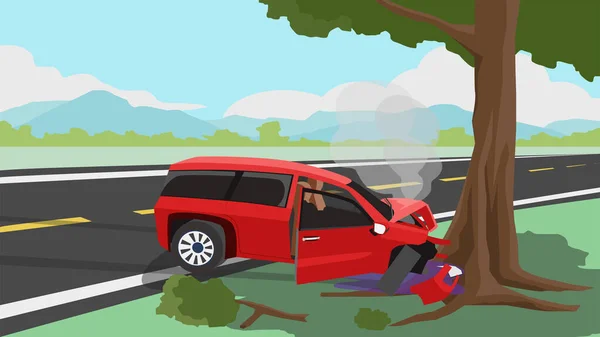
A road accident, also known as a traffic collision or crash, occurs when a vehicle collides with another vehicle, pedestrian, animal, road debris, or other stationary obstructions such as a tree or utility pole. The severity of road accidents can range from minor injuries and property damage to fatalities.


2. Major Causes of Road Accidents

Several factors contribute to road accidents. These can be broadly categorized into:

a. Human Error

  • Over-speeding: Driving beyond the speed limit is a leading cause of fatal crashes.

  • Distracted Driving: Mobile phone usage, eating, or adjusting the radio while driving are common distractions.

  • Drunk Driving: Alcohol impairs judgment, coordination, and reaction times.

  • Fatigue: Drowsy drivers can be as dangerous as intoxicated ones.

  • Violation of Traffic Rules: Jumping red lights, not using indicators, or ignoring stop signs can lead to severe accidents.

b. Vehicle-Related Issues

  • Poor Maintenance: Brake failures, tire blowouts, and engine problems increase accident risk.

  • Design Defects: Some vehicles may have design flaws that compromise safety.

c. Road Conditions

  • Potholes and Poorly Maintained Roads: These can cause drivers to lose control of their vehicles.

  • Lack of Signage: Inadequate or confusing road signs contribute to misjudgment and collisions.

  • Weather Conditions: Rain, fog, and snow reduce visibility and traction, increasing accident risks.


3. Consequences of Road Accidents

The aftermath of road accidents is devastating not only for the individuals involved but also for society at large.

a. Human Impact

  • Loss of Life: Fatalities due to accidents are often sudden and tragic.

  • Injuries: Many survivors suffer from life-long disabilities and trauma.

  • Psychological Trauma: Victims, witnesses, and families experience emotional distress, anxiety, and PTSD.

b. Economic Impact

  • Medical Costs: Hospitalization and rehabilitation are often expensive.

  • Property Damage: Vehicles and infrastructure repair or replacement cost millions annually.

  • Productivity Loss: Injuries and deaths result in lost workforce and income.


4. Road Safety Measures and Solutions

While road accidents can’t be eliminated entirely, many strategies can significantly reduce their occurrence and severity.

a. Education and Awareness

  • Driver Training: Proper education about road rules and defensive driving can prevent accidents.

  • Public Campaigns: Awareness about drunk driving, seat belts, and helmets helps change risky behaviors.

b. Law Enforcement

  • Strict Penalties: Enforcing laws related to speed limits, drunk driving, and use of mobile phones.

  • Surveillance: Use of traffic cameras and patrols to monitor and deter violations.

c. Engineering Improvements

  • Better Road Design: Clear signage, well-lit streets, and pedestrian-friendly infrastructure.

  • Vehicle Safety Features: Promoting use of seat belts, airbags, and anti-lock braking systems (ABS).

d. Emergency Response Systems

  • Quick Medical Help: Reducing response time to accident scenes saves lives.

  • Trauma Centers: Specialized units for accident victims can provide better care.


5. The Role of Individuals

Every road user has a role to play in making roads safer:

  • Always follow traffic rules.

  • Never drink and drive.

  • Avoid using phones while driving.

  • Maintain your vehicle regularly.

  • Drive at safe speeds, especially in residential and school zones.


Friday, April 11, 2025

The Silent Killer on Our Streets – Let’s Talk About Road Accidents


It usually starts like any other day.

Someone grabs their coffee, kisses their loved one goodbye, and heads out the door—never knowing that drive could be their last. Road accidents don’t send a warning. They strike fast, hit hard, and leave lives shattered in their wake.

Why Are We Still Letting This Happen?

We live in an age of incredible innovation. Our cars are smarter, our roads more advanced, and our phones can track our every move. Yet road accidents continue to be one of the leading causes of death worldwide. Why?

Because the problem isn’t just about technology—it’s about behavior.

  • A quick glance at a text.

  • A few drinks over the legal limit.

  • A little extra pressure on the gas pedal.

These moments of carelessness cost lives. And while we often hear the numbers—millions injured, over a million dead each year—it’s the stories that hit hardest. A student never making it to graduation. A child losing both parents in a split second. A young mother paralyzed from the waist down.

We Know the Causes – So What’s the Solution?

The good news? Road accidents are preventable. We just have to act like it.

  • Drive like your life depends on it—because it does.

  • Put the phone away.

  • Never drink and drive.

  • Obey speed limits—not because of fines, but because of lives.

Governments need to improve infrastructure. Law enforcement must crack down on violations. But above all, change starts with us. The person behind the wheel. The friend who says, “Hey, let me call you a cab.” The parent who teaches their kid about road safety.

Don’t Let a Moment Become a Lifetime of Regret

When we talk about road safety, we’re not talking about statistics. We’re talking about people. Real people with dreams, families, futures.

Let’s not wait for tragedy to knock on our door to start caring.


Road Accidents – A Preventable Tragedy


Every day, thousands of lives are lost or changed forever due to road accidents. What’s more troubling is that most of these accidents are preventable. Whether it's due to speeding, distracted driving, or driving under the influence, the consequences are often devastating.

The Stark Reality

According to global statistics, over 1.3 million people die annually due to road traffic crashes. That’s roughly 3,700 people every day. Behind each number is a human story — a family broken, a child orphaned, a dream cut short.

Common Causes of Road Accidents

  1. Distracted Driving – Texting, eating, or even adjusting the radio can take attention off the road.

  2. Speeding – Driving above the speed limit reduces reaction time and increases the severity of crashes.

  3. Drunk Driving – Alcohol impairs judgment, coordination, and reaction times.

  4. Weather Conditions – Rain, fog, or icy roads can make driving dangerous if one isn’t cautious.

  5. Reckless Driving – Tailgating, changing lanes too quickly, and ignoring traffic signs contribute to many accidents.

Impact Beyond the Crash

The aftermath of road accidents goes far beyond the scene. Victims may suffer from long-term disabilities, mental trauma, or financial burdens. Families often struggle emotionally and economically. Communities lose productive individuals, and economies bear the cost of healthcare and lost labor.

Prevention is Possible

  1. Education – Creating awareness about safe driving habits from an early age can lead to lifelong responsible behavior.

  2. Enforcement – Strict laws and their enforcement against speeding, drunk driving, and phone use can deter dangerous behavior.

  3. Engineering – Better road designs, traffic signs, and pedestrian crossings can reduce accidents significantly.

  4. Emergency Response – Quick and efficient medical assistance post-accident can save lives and reduce long-term damage.

Be the Change

As individuals, we all have a role to play. Buckle up, follow traffic rules, stay focused, and never drive under the influence. A few cautious decisions can save not only your life but someone else’s too.

Mental Health Awareness: Why It Matters More Than Ever

  In today’s fast-paced world, discussions around health often center on physical fitness, nutrition, or workout routines. While these are ...