Friday, April 11, 2025

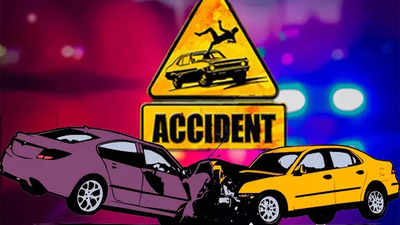
The Silent Killer on Our Streets – Let’s Talk About Road Accidents


It usually starts like any other day.

Someone grabs their coffee, kisses their loved one goodbye, and heads out the door—never knowing that drive could be their last. Road accidents don’t send a warning. They strike fast, hit hard, and leave lives shattered in their wake.

Why Are We Still Letting This Happen?

We live in an age of incredible innovation. Our cars are smarter, our roads more advanced, and our phones can track our every move. Yet road accidents continue to be one of the leading causes of death worldwide. Why?

Because the problem isn’t just about technology—it’s about behavior.

  • A quick glance at a text.

  • A few drinks over the legal limit.

  • A little extra pressure on the gas pedal.

These moments of carelessness cost lives. And while we often hear the numbers—millions injured, over a million dead each year—it’s the stories that hit hardest. A student never making it to graduation. A child losing both parents in a split second. A young mother paralyzed from the waist down.

We Know the Causes – So What’s the Solution?

The good news? Road accidents are preventable. We just have to act like it.

  • Drive like your life depends on it—because it does.

  • Put the phone away.

  • Never drink and drive.

  • Obey speed limits—not because of fines, but because of lives.

Governments need to improve infrastructure. Law enforcement must crack down on violations. But above all, change starts with us. The person behind the wheel. The friend who says, “Hey, let me call you a cab.” The parent who teaches their kid about road safety.

Don’t Let a Moment Become a Lifetime of Regret

When we talk about road safety, we’re not talking about statistics. We’re talking about people. Real people with dreams, families, futures.

Let’s not wait for tragedy to knock on our door to start caring.


Road Accidents – A Preventable Tragedy


Every day, thousands of lives are lost or changed forever due to road accidents. What’s more troubling is that most of these accidents are preventable. Whether it's due to speeding, distracted driving, or driving under the influence, the consequences are often devastating.

The Stark Reality

According to global statistics, over 1.3 million people die annually due to road traffic crashes. That’s roughly 3,700 people every day. Behind each number is a human story — a family broken, a child orphaned, a dream cut short.

Common Causes of Road Accidents

  1. Distracted Driving – Texting, eating, or even adjusting the radio can take attention off the road.

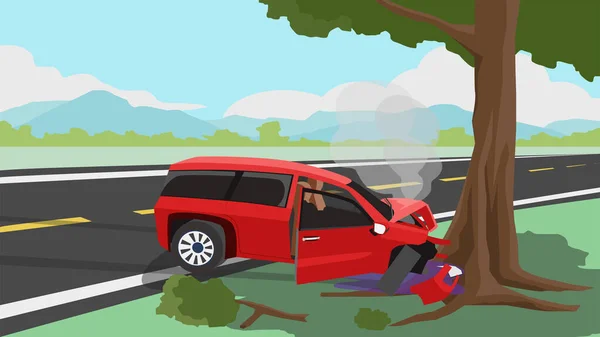
  2. Speeding – Driving above the speed limit reduces reaction time and increases the severity of crashes.

  3. Drunk Driving – Alcohol impairs judgment, coordination, and reaction times.

  4. Weather Conditions – Rain, fog, or icy roads can make driving dangerous if one isn’t cautious.

  5. Reckless Driving – Tailgating, changing lanes too quickly, and ignoring traffic signs contribute to many accidents.

Impact Beyond the Crash

The aftermath of road accidents goes far beyond the scene. Victims may suffer from long-term disabilities, mental trauma, or financial burdens. Families often struggle emotionally and economically. Communities lose productive individuals, and economies bear the cost of healthcare and lost labor.

Prevention is Possible

  1. Education – Creating awareness about safe driving habits from an early age can lead to lifelong responsible behavior.

  2. Enforcement – Strict laws and their enforcement against speeding, drunk driving, and phone use can deter dangerous behavior.

  3. Engineering – Better road designs, traffic signs, and pedestrian crossings can reduce accidents significantly.

  4. Emergency Response – Quick and efficient medical assistance post-accident can save lives and reduce long-term damage.

Be the Change

As individuals, we all have a role to play. Buckle up, follow traffic rules, stay focused, and never drive under the influence. A few cautious decisions can save not only your life but someone else’s too.

Wednesday, April 9, 2025

Road Accidents: A Growing Crisis That Demands Our Attention


Road accidents are a silent global crisis. While headlines often highlight political drama or natural disasters, traffic accidents claim more than a million lives each year. Behind every number is a person — a family member, a friend, a colleague. And in many cases, these tragic losses could have been avoided.

The Main Causes Behind the Wheel

Understanding the causes of road accidents is the first step toward prevention. Some of the most common include:

  • Speeding: Driving above the speed limit reduces reaction time and increases the severity of crashes.

  • Distracted Driving: Mobile phones, GPS systems, eating, and even conversations can take a driver’s attention away from the road.

  • Driving Under the Influence: Alcohol and drugs impair judgment, coordination, and reaction time.

  • Fatigue: Drowsy driving can be as dangerous as drunk driving, especially on long, late-night journeys.

  • Poor Road Conditions: Potholes, faded markings, lack of signage, and inadequate lighting all contribute to risk.

  • Weather: Rain, fog, and snow reduce visibility and road grip, increasing accident chances.

The Ripple Effect of Road Accidents

Road accidents aren’t just about physical injury. Their impact runs deeper:

  • Emotional Trauma: Survivors and families of victims often face lasting psychological scars.

  • Economic Loss: From hospital bills to vehicle repairs and lost productivity, accidents can place a huge financial burden on individuals and nations.

  • Traffic Congestion: Even minor collisions cause massive delays, affecting cities and work routines.

Steps Toward Safer Roads

While the statistics are sobering, there’s hope. Preventing road accidents requires a multi-layered approach:

  1. Education and Awareness: Teaching responsible driving habits in schools, workplaces, and communities.

  2. Law Enforcement: Stricter penalties for speeding, DUI, and reckless driving can deter dangerous behavior.

  3. Technology: Modern cars now come with features like automatic braking, lane departure warnings, and drowsiness detection.

  4. Infrastructure Improvements: Better road design, proper signage, pedestrian crossings, and lighting are essential.

  5. Public Transport Investment: Fewer cars on the road means fewer chances for collisions.

A Call for Shared Responsibility

Everyone has a role in reducing road accidents — not just drivers. Pedestrians, cyclists, urban planners, policymakers, and tech developers all play a part. Whether it’s buckling up, slowing down, or speaking up when someone drives recklessly, small actions can save lives.

The Rising Concern of Road Accidents and How We Can Prevent Them


Road accidents are more than just unfortunate events on the highway — they’re a major public safety issue that impacts families, communities, and economies worldwide. Each year, thousands of lives are lost and even more people suffer life-altering injuries due to crashes on the road.

One of the leading causes of road accidents is human error. Speeding, distracted driving — often due to mobile phone use — and driving under the influence are just a few behaviors that contribute to these tragic events. In addition, poor road conditions and bad weather can make even the safest driver vulnerable.

What’s alarming is that many of these accidents are preventable. By simply obeying traffic laws, wearing seat belts, avoiding phone use while driving, and staying sober behind the wheel, countless lives could be saved. It’s not just up to drivers, though — governments and communities have a role to play too. Better infrastructure, stricter enforcement of laws, and ongoing awareness campaigns can create safer roads for everyone.

Road safety is a shared responsibility. Whether you're a driver, pedestrian, cyclist, or policymaker, small actions can have a big impact. Together, we can reduce road accidents and protect lives.

Tuesday, April 8, 2025

Road accidents are increasingly becoming a leading cause of injuries and fatalities worldwide


Road accidents are increasingly becoming a leading cause of injuries and fatalities worldwide. Each year, millions suffer harm or lose their lives due to traffic mishaps. Beyond the personal toll, these incidents also impose significant financial strains on families and governmental bodies.

A major contributor to these accidents is human error. Behaviors such as speeding, aggressive driving, using mobile phones while driving, and operating vehicles under the influence of drugs or alcohol greatly elevate accident risks. Additionally, bad road conditions, insufficient signage, and mechanical failures in vehicles further exacerbate the problem.

Those on foot, bicycles, or motorcycles face even greater dangers. In several developing nations, the absence of essential infrastructure—like proper footpaths, pedestrian crossings, and mandatory helmet laws—amplifies the threat to these road users.

Addressing road accidents requires collective action from both authorities and local communities. Enforcing traffic laws more stringently, spreading awareness, maintaining roadways, and enhancing vehicle safety features can significantly enhance road security. Educating drivers about responsible driving is also vital to making roads safer.

Ultimately, ensuring road safety is a shared duty. Through unified efforts and a commitment to reform, we can curb traffic accidents and protect countless lives.

Sunday, April 6, 2025

Understanding the Leading Causes of Accidents: A Closer Look at Everyday Risks


Accidents are unexpected events that can lead to injuries, fatalities, or property damage. Understanding the leading causes of accidents is essential for prevention and safety. These causes vary by setting, such as on the road, at work, or at home.

On the road, distracted driving is the most common cause of accidents. This includes texting, talking on the phone, eating, or using a navigation system while driving. Speeding also contributes significantly, as higher speeds reduce reaction time and increase the severity of crashes. Driving under the influence of alcohol or drugs impairs judgment and motor skills, making accidents more likely. Reckless driving, such as aggressive lane changes or tailgating, and poor weather conditions like rain or snow also play major roles.

In workplaces, accidents often result from slips, trips, and falls, usually caused by wet floors, uneven surfaces, or obstructed walkways. Improper lifting techniques can lead to serious back and muscle injuries. In industrial settings, falling objects and machinery-related incidents are common, particularly when safety procedures are not followed. A lack of proper personal protective equipment (PPE) significantly increases the risk of injury.

At home, falls are a leading cause of injury, especially for children and older adults. Household fires, often from unattended cooking or electrical issues, are another major hazard. Poisoning from household chemicals or medications is a frequent cause of emergency visits. Choking incidents are common among toddlers, while drowning remains a threat in bathtubs and swimming pools.

By recognizing these leading causes, individuals and organizations can implement safety measures to reduce risk and protect lives.

Saturday, April 5, 2025

The Leading Causes of Accidents: What You Need to Know to Stay Safe


Accidents don’t always come with a warning—they’re sudden, often shocking, and sometimes life-changing. Whether you're behind the wheel, working on a job site, or simply going about your day at home, understanding what causes most accidents can go a long way in helping you avoid them. Here's a closer look at the most common causes across various settings:


🚗 On the Road: Where Distraction and Speed Can Be Deadly

  1. Distracted Driving
    This is the #1 cause of road accidents. From texting and talking to eating or adjusting your GPS, any moment your eyes are off the road can lead to disaster.

  2. Speeding
    Driving over the limit gives you less time to react and turns what could’ve been a fender-bender into a serious crash.

  3. Driving Under the Influence
    Alcohol and drugs dull your senses and slow reaction times—making you a danger to yourself and everyone around you.

  4. Reckless Driving
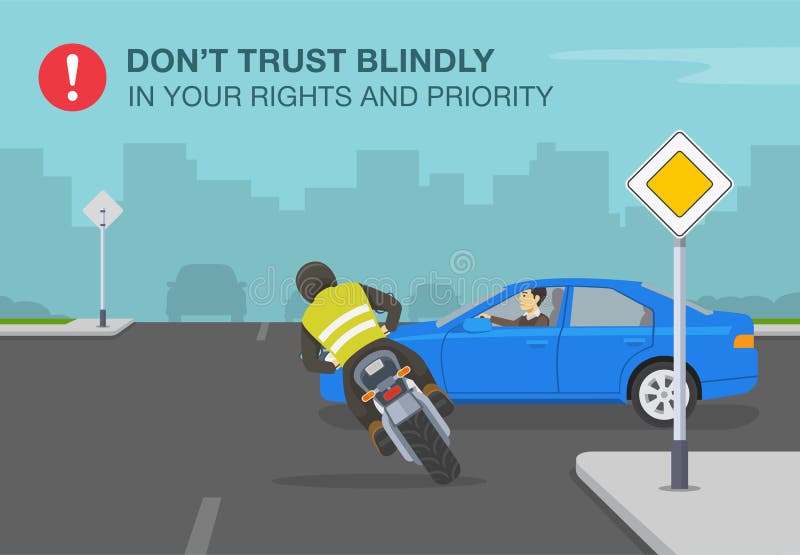
    Aggressive lane changes, tailgating, and ignoring traffic signals create chaos and confusion, often ending in collisions.

  5. Poor Weather Conditions
    Rain, snow, and fog can reduce visibility and road grip. Not adjusting your driving for these conditions increases accident risk.


🏗️ In the Workplace: When Safety Takes a Backseat

  1. Slips, Trips, and Falls
    The most common workplace injuries happen due to wet floors, cluttered spaces, or uneven ground.

  2. Lifting Injuries
    Improper lifting can strain muscles or cause back injuries—especially in jobs requiring physical labor.

  3. Falling Objects
    In warehouses or construction sites, unsecured items can drop from above, causing serious harm.

  4. Machinery Accidents
    Without proper training or safety guards, machines can turn dangerous in a split second.

  5. Lack of Protective Gear
    Not using gloves, helmets, or goggles leaves workers vulnerable to chemical, electrical, or impact-related injuries.


🏠 At Home: Where Comfort Can Breed Complacency

  1. Falls
    These are the leading cause of injury in the home—especially for kids and the elderly. Stairs, slippery bathrooms, and loose rugs are frequent culprits.

  2. Fires
    From unattended stoves to faulty wiring, home fires can start in seconds and spiral out of control quickly.

  3. Poisoning
    Household cleaners, medications, and even cosmetics can be dangerous—especially in the hands of curious children.

  4. Choking
    A top hazard for young children, often caused by small toys or food that’s not cut properly.

  5. Drowning
    Bathtubs and backyard pools are serious risks if left unsupervised, even for a minute.

Mental Health Awareness: Why It Matters More Than Ever

  In today’s fast-paced world, discussions around health often center on physical fitness, nutrition, or workout routines. While these are ...