Saturday, April 5, 2025

Why Accidents Are Increasing in Today’s World: A Growing Crisis


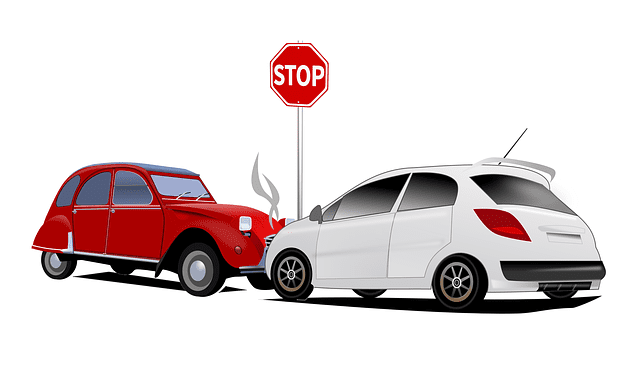
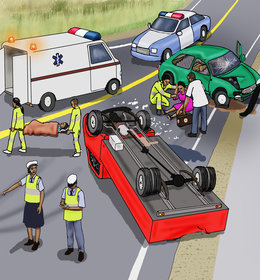
Accidents have become an increasingly common part of everyday life. From road mishaps to workplace injuries and domestic incidents, the numbers are climbing—and fast. What was once seen as the result of rare misfortune is now happening with alarming frequency. But why are accidents growing in number, and what can be done about it?

Modern Lifestyles and Distraction

In today’s fast-paced world, distraction is one of the leading causes of accidents. The rise of smartphones, social media, and multitasking has created a generation that is always connected—but not always aware of their surroundings. This constant distraction is particularly dangerous when driving or operating machinery, often leading to preventable accidents.

Urban Growth and Congestion

Cities are growing rapidly, and so is traffic. With more vehicles on the roads, more pedestrians, and more bicycles sharing the same space, the chances of collisions have increased. Urban congestion also leads to stress and impatience behind the wheel, which further contributes to road rage and reckless behavior.

Neglected Safety Standards

As industries try to meet higher demands at faster rates, safety sometimes takes a back seat. Shortcuts, lack of training, and outdated safety equipment can all lead to workplace incidents. In developing regions, enforcement of safety regulations is often weak or inconsistent.

Weather and Environmental Factors

Climate change is causing more extreme weather conditions—heavy rains, flooding, snow, and fog. These conditions can make roads and public spaces dangerous, leading to slips, falls, or vehicle crashes.

Lack of Awareness and Preparedness

In many cases, accidents happen because people simply don’t know how to avoid them or respond to emergencies. Public awareness campaigns are not always effective, and basic safety education is often overlooked, especially in rural areas.

A Call for Action

The rising trend of accidents calls for immediate action from all levels of society. Governments must tighten safety laws and improve infrastructure. Employers must create safer work environments. Most importantly, individuals must become more conscious of their actions and surroundings.

The Alarming Rise in Accident Rates Today


In recent years, there has been a noticeable increase in the number of accidents occurring around the world. Whether on the road, in the workplace, or in public spaces, these incidents have raised serious concerns about safety and the effectiveness of current preventative measures.

Road Accidents on the Rise

One of the most significant contributors to the rising accident rate is road traffic collisions. As more people gain access to vehicles and urban areas become more congested, the risk of accidents has grown. Distracted driving, speeding, and driving under the influence continue to be major causes. The widespread use of mobile phones while driving has only made the problem worse.

Workplace Accidents and Safety Lapses

Beyond the roads, workplace accidents have also been increasing, especially in industries such as construction, manufacturing, and logistics. Factors such as inadequate training, lack of safety protocols, and equipment failures contribute to these incidents. In some cases, employers fail to implement or enforce proper safety measures, putting workers at greater risk.

Accidents in Public Spaces

Accidents are also occurring more frequently in public spaces such as shopping centers, schools, and recreational areas. Slips, trips, falls, and other preventable incidents often result from poor maintenance, overcrowding, or insufficient oversight.

Underlying Causes of the Increase

Several factors are contributing to this overall rise in accidents:

  • Increased urbanization and population growth

  • Higher reliance on technology, sometimes leading to distraction

  • Neglect of safety norms in fast-paced environments

  • Stress and mental fatigue, affecting concentration and judgment

Addressing the Issue

To combat this growing problem, a collective effort is needed. Governments should invest in better infrastructure and enforce stricter safety regulations. Employers must prioritize safety training and proper equipment. Individuals also need to take personal responsibility, whether by practicing safe driving or being mindful of their surroundings.

The Growing Concern of Road Accidents: Causes, Impacts, and Solutions


Road accidents remain one of the leading causes of injury and death worldwide, posing a serious threat to public safety. Every year, millions of people are injured or killed due to traffic collisions, many of which are preventable. Understanding the causes, impacts, and potential solutions to road accidents is crucial to reducing their occurrence and saving lives.

Common Causes of Road Accidents

  1. Distracted Driving
    One of the most prevalent causes of road accidents is driver distraction, often due to mobile phone use, eating, or adjusting in-car systems while driving.

  2. Speeding
    Exceeding speed limits or driving too fast for road conditions significantly increases the risk of an accident, as it reduces reaction time and increases the severity of crashes.

  3. Driving Under the Influence
    Alcohol and drugs impair a driver's judgment, reaction time, and coordination, making DUI-related accidents some of the deadliest.

  4. Reckless Driving
    Aggressive behaviors like tailgating, changing lanes without signaling, and ignoring traffic signals contribute heavily to road accidents.

  5. Poor Road Conditions
    Potholes, lack of signage, poor lighting, and unmaintained infrastructure can also lead to collisions, especially in areas with high traffic volumes.

  6. Weather Conditions
    Rain, snow, fog, and other adverse weather conditions reduce visibility and make roads slippery, increasing accident risks.

Impact of Road Accidents

The consequences of road accidents go far beyond the immediate injury or loss of life:

  • Economic Loss: Road accidents result in massive economic costs due to vehicle damage, medical expenses, and lost productivity.

  • Emotional Trauma: Survivors and families of victims often experience long-term emotional distress.

  • Healthcare Burden: Accidents strain healthcare systems, especially in developing countries with limited medical resources.

Preventive Measures

Reducing road accidents requires a multi-pronged approach involving government, drivers, and the community:

  • Stricter Law Enforcement: Enforcing traffic laws and penalizing violations can deter reckless behavior.

  • Road Safety Education: Educating drivers about safe driving practices from a young age is essential.

  • Improved Infrastructure: Investing in better roads, signage, and lighting can significantly reduce accidents.

  • Technology Solutions: Vehicle safety features like automatic braking, lane assist, and driver monitoring systems can help prevent crashes.

  • Emergency Response: Quick and effective medical response can reduce fatalities when accidents do occur.

Thursday, April 3, 2025

Road Accidents: A Deadly Reality and How We Can Prevent Them


Every time we step into a vehicle or cross a street, we take a risk. Road accidents are a harsh reality that affects millions of people worldwide, often leaving behind a trail of devastation. Whether it's a high-speed highway crash or a simple fender bender, the consequences can be life-changing.

But why do these accidents happen so frequently? Is it reckless driving, poor infrastructure, or just bad luck? This article dives deep into the real causes of road accidents, the impact they have on people’s lives, and the practical steps we can take to prevent them.


The Harsh Reality: Understanding the Scale of Road Accidents

Road traffic accidents are among the leading causes of death globally, claiming around 1.3 million lives each year, according to the World Health Organization (WHO). In addition, 20 to 50 million people suffer non-fatal injuries, many of which lead to long-term disabilities.

While these numbers are shocking, what’s even more tragic is that most of these accidents are preventable. Many crashes are caused by human error, negligence, or infrastructure failures that could be fixed with better planning and enforcement.

Case Studies of Real Accidents

To understand the reality of road accidents, let’s look at a few real-life incidents:

🔴 Case 1: The Devastating Drunk Driving Crash
In 2023, a 22-year-old university student in New York was driving home from a party after consuming alcohol. Despite friends warning him not to drive, he insisted he was “fine.” While speeding on the highway, he lost control of his car and crashed into another vehicle, killing a mother and her two children. He survived but was sentenced to 20 years in prison. This accident could have been prevented with responsible decisions and stricter enforcement of DUI laws.

🔴 Case 2: The Tragic Motorcycle Collision
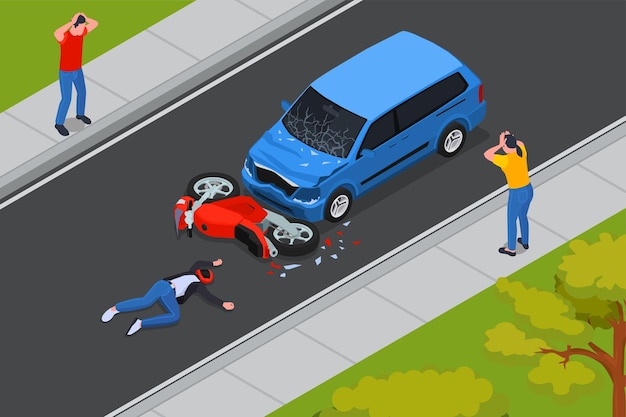
In India, a 19-year-old motorcyclist was weaving through traffic at high speed without a helmet. A car suddenly changed lanes, and the motorcyclist, unable to brake in time, crashed into the vehicle. He suffered a fatal head injury. If he had worn a helmet and followed traffic rules, his life could have been saved.

🔴 Case 3: Poor Road Conditions Leading to Disaster
In Nigeria, a major accident occurred on a poorly maintained road filled with potholes. A bus driver, trying to avoid a deep pothole, swerved into the opposite lane and collided head-on with a truck. 15 passengers lost their lives. This tragedy highlights the need for governments to invest in better road maintenance.


Major Causes of Road Accidents

While some accidents happen due to unavoidable circumstances, most are caused by one of the following factors:

1. Human Error: The Leading Cause

Studies show that over 90% of road accidents are caused by human mistakes. Common errors include:
Distracted Driving – Texting, eating, or using a phone while driving can lead to fatal accidents.
Drunk Driving – Alcohol impairs judgment and reaction time, making crashes more likely.
Speeding – Driving above speed limits reduces control and increases the severity of crashes.
Reckless Driving – Aggressive behavior such as tailgating, weaving through traffic, and ignoring signals often leads to accidents.
Driver Fatigue – Tired drivers, especially truckers and shift workers, have slower reactions and can fall asleep behind the wheel.

2. Poor Road Conditions

Even the safest driver can struggle on badly maintained roads. Common hazards include:
⚠️ Potholes that cause vehicles to lose control.
⚠️ Lack of proper road signs or faded lane markings.
⚠️ Missing streetlights, making night driving dangerous.
⚠️ Poorly designed intersections that lead to frequent collisions.

3. Weather-Related Accidents

Heavy rain, fog, snow, and ice significantly increase the risk of crashes by reducing visibility and road traction. Many drivers fail to adjust their speed and driving style to match bad weather conditions, leading to deadly accidents.

4. Mechanical Failures

🚗 Brake Failures – Worn-out brake pads can prevent a car from stopping in time.
🚗 Tire Blowouts – Bald or underinflated tires can cause a vehicle to lose control.
🚗 Steering System Failures – Faulty steering can make it impossible to avoid a crash.


The Devastating Impact of Road Accidents

1. Loss of Lives and Injuries

Every accident has a ripple effect. The sudden loss of a loved one in a crash leaves families devastated. Survivors often suffer from severe injuries such as:
❌ Spinal cord damage leading to paralysis.
❌ Amputations due to crush injuries.
❌ Traumatic brain injuries affecting mental and physical abilities.

2. Emotional and Psychological Effects

Many accident survivors suffer from:
🧠 Post-Traumatic Stress Disorder (PTSD) – Flashbacks, nightmares, and anxiety about driving again.
💔 Depression – Losing mobility or a loved one can lead to long-term emotional distress.
💡 Survivor’s Guilt – People who survive crashes often struggle with guilt over why they lived while others didn’t.

3. Financial Consequences

🚑 High hospital bills for treatment and rehabilitation.
🚗 Costly vehicle repairs or replacements.
🏢 Loss of jobs due to disabilities or prolonged recovery periods.


How Can We Reduce Road Accidents?

Preventing road accidents requires effort from individuals, governments, and industries. Here’s what can be done:

1. Stricter Law Enforcement

🚔 Tougher penalties for drunk driving, speeding, and reckless behavior.
📵 Banning mobile phone use while driving with heavy fines.
🚦 Implementing more traffic cameras and police patrols.

2. Better Road Infrastructure

🛣️ Regular road maintenance to fix potholes and improve markings.
🚦 More traffic lights and pedestrian crossings in busy areas.
💡 Increased street lighting for better night-time visibility.

3. Vehicle Safety Improvements

🚘 Encouraging the use of modern safety features like ABS brakes and airbags.
🔧 Mandatory vehicle inspections to ensure roadworthiness.

4. Public Awareness and Education

🏫 Teaching road safety from a young age in schools.
📺 Running awareness campaigns on TV and social media about safe driving habits.
🤝 Encouraging responsible behavior among drivers and pedestrians.
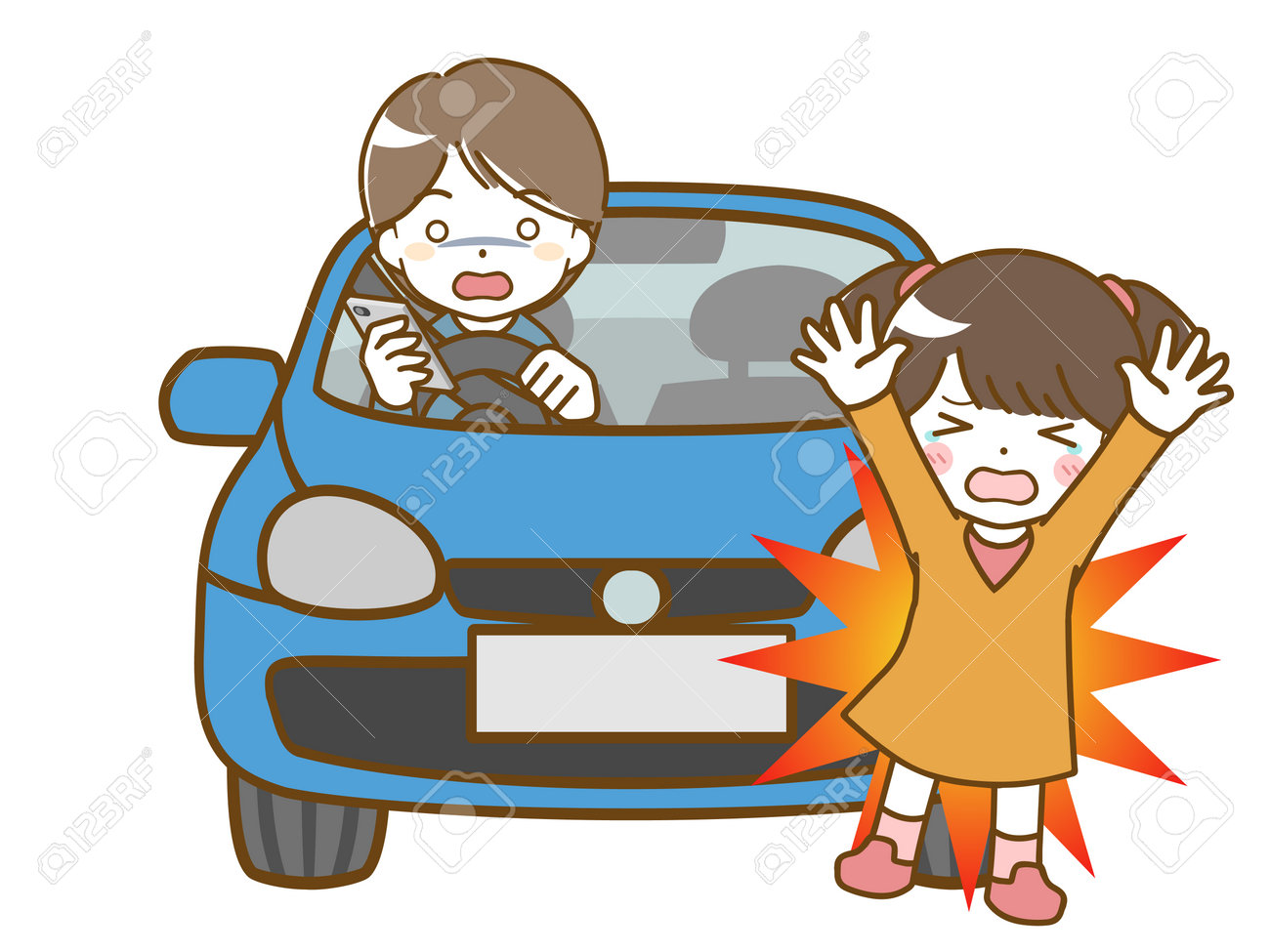
Road Accidents: A Global Crisis and the Urgent Need for Safer Roads


Road accidents are one of the most pressing public safety concerns of our time. Every day, thousands of lives are lost, and many more suffer life-altering injuries due to traffic collisions. What makes road accidents particularly tragic is that most of them are preventable. Whether caused by human error, poor infrastructure, or vehicle malfunctions, these incidents leave behind a trail of devastation, affecting families, economies, and entire communities.

Understanding the causes, consequences, and potential solutions to road accidents is crucial in the fight to make our roads safer.

The Global Scale of the Problem

According to the World Health Organization (WHO), road traffic crashes claim approximately 1.3 million lives annually, making them a leading cause of death, particularly among young people. In addition to the fatalities, millions of individuals suffer serious injuries that often result in long-term disabilities.

The economic burden is equally staggering, with road crashes costing countries an estimated 3% of their GDP due to healthcare costs, loss of productivity, and vehicle damage. Developing nations are disproportionately affected, as they often lack the infrastructure and enforcement needed to ensure road safety.

Leading Causes of Road Accidents

While road accidents can happen for many reasons, certain factors are responsible for most crashes:

1. Reckless and Distracted Driving

  • Speeding is a leading cause of accidents, as it reduces a driver’s ability to react in time to avoid collisions.

  • Distracted driving—including texting, talking on the phone, eating, or adjusting the radio—diverts attention from the road, leading to fatal consequences.

  • Drunk and drug-impaired driving significantly slows reaction times and impairs judgment, making accidents much more likely.

2. Poor Road Infrastructure

  • Roads filled with potholes, inadequate lighting, and lack of proper signage can increase the likelihood of crashes.

  • Absence of pedestrian walkways and bicycle lanes also contributes to the number of road-related fatalities.

3. Weather Conditions

  • Rain, fog, snow, and ice make roads slippery and reduce visibility, increasing the chances of accidents.

  • Drivers who fail to adjust their speed and driving behavior in bad weather put themselves and others at risk.

4. Mechanical Failures

  • Faulty brakes, worn-out tires, and engine malfunctions can lead to accidents, especially if regular maintenance is neglected.

  • In some cases, manufacturing defects in vehicles have been responsible for catastrophic crashes.

The Devastating Impact of Road Accidents

1. Loss of Human Lives and Permanent Disabilities

For many families, a road accident means the heartbreaking loss of a loved one. Those who survive often suffer life-changing injuries, such as spinal cord damage, amputations, or traumatic brain injuries. The road to recovery can be long, painful, and financially draining.

2. Emotional and Psychological Trauma

Survivors of road accidents often experience post-traumatic stress disorder (PTSD), depression, and anxiety. Witnesses and families of victims also endure significant emotional distress, which can last for years.

3. Economic and Social Consequences

  • Road accidents place a heavy burden on healthcare systems due to the high costs of emergency care, surgeries, and rehabilitation.

  • The loss of a breadwinner in a family can push dependents into financial hardship.

  • Insurance companies face billions in claims each year, leading to higher premiums for all drivers.

How Can We Prevent Road Accidents?

Preventing road accidents requires a combination of personal responsibility, government policies, and technological advancements. Here are some key strategies:

1. Stricter Law Enforcement and Penalties

  • Governments must ensure that traffic laws—such as speed limits, seat belt requirements, and drunk driving regulations—are strictly enforced.

  • Heavier penalties for reckless driving can deter dangerous behavior on the roads.

2. Improved Road Infrastructure

  • Building well-maintained roads, installing proper traffic signals, and ensuring well-lit highways can reduce accident rates.

  • Pedestrian crossings, bike lanes, and speed bumps in high-risk areas can also help prevent crashes.

3. Advancements in Vehicle Safety

  • Modern vehicles come with safety features like anti-lock braking systems (ABS), lane departure warnings, and collision detection sensors.

  • Governments should encourage the use of safer vehicles by setting high manufacturing safety standards.

4. Raising Public Awareness

  • Educational campaigns on the dangers of reckless and distracted driving can help change dangerous driving habits.

  • Schools should include road safety education in their curriculum to teach children the importance of responsible road use.

The Silent Epidemic: Understanding the Causes and Impact of Road Accidents


Every day, millions of people take to the roads, expecting to reach their destinations safely. However, for some, the journey ends in tragedy. Road accidents are a silent epidemic, claiming lives and causing devastating injuries worldwide. From minor fender-benders to catastrophic collisions, these incidents have far-reaching consequences that affect individuals, families, and entire communities. But what exactly causes road accidents, and how can we prevent them?

The Alarming Statistics

According to the World Health Organization (WHO), approximately 1.3 million people die in road crashes every year, while between 20 to 50 million suffer non-fatal injuries, many of which lead to long-term disabilities. In some countries, road accidents are among the leading causes of death, particularly for young adults. The economic burden of these accidents is equally staggering, costing nations billions of dollars annually in medical expenses, lost productivity, and property damage.

Major Causes of Road Accidents

1. Human Error

The vast majority of road accidents are caused by human mistakes. These include:

  • Speeding – Exceeding speed limits reduces reaction time and increases the severity of crashes.

  • Distracted Driving – Texting, talking on the phone, or even adjusting the radio can divert attention from the road.

  • Drunk Driving – Alcohol impairs judgment, slows reaction times, and affects coordination.

  • Reckless Driving – Aggressive maneuvers, such as tailgating and weaving through traffic, often result in accidents.

2. Poor Road Conditions

Potholes, poorly maintained roads, and inadequate signage can contribute to accidents. Slippery roads due to rain or snow also increase the likelihood of losing control of a vehicle.

3. Mechanical Failures

Faulty brakes, worn-out tires, or engine failures can lead to accidents, especially if drivers are unaware of these issues. Regular vehicle maintenance is crucial to preventing such mishaps.

4. Weather Conditions

Heavy rain, fog, or ice can make driving more dangerous by reducing visibility and traction. Many drivers fail to adjust their speed and driving style to match the conditions.

The Impact of Road Accidents

1. Loss of Life and Injuries

For families who lose loved ones in road accidents, life is never the same. Survivors often suffer from permanent disabilities, emotional trauma, and financial difficulties due to medical expenses and lost income.

2. Economic Consequences

Governments and businesses bear a significant financial burden due to accidents. From hospital bills to insurance claims, road crashes cost the global economy billions every year.

3. Psychological and Social Effects

Survivors of accidents often experience PTSD (Post-Traumatic Stress Disorder), anxiety, and depression. Families of victims also struggle with grief and emotional distress.

Preventing Road Accidents: What Can Be Done?

1. Stricter Traffic Laws and Enforcement

Governments must implement and enforce strict traffic laws, such as speed limits, seat belt usage, and penalties for drunk driving.

2. Better Road Infrastructure

Investing in safer roads, clear signage, pedestrian crossings, and better lighting can significantly reduce accidents.

3. Public Awareness Campaigns

Educating people about the dangers of reckless driving through awareness programs, advertisements, and school curriculums can promote safer driving habits.

4. Advanced Vehicle Technology

Modern cars come equipped with safety features such as lane departure warnings, automatic emergency braking, and blind-spot monitoring, which help prevent accidents.

Tuesday, April 1, 2025

The Leading Causes of Road Accidents in Today’s World


Road accidents have become a major global concern, claiming thousands of lives and causing severe injuries every day. Despite advancements in road safety measures and vehicle technology, the number of accidents remains alarmingly high. Several factors contribute to these incidents, ranging from human errors to environmental conditions and mechanical failures. Below, we explore the leading causes of road accidents today.


1. Distracted Driving

One of the biggest causes of accidents today is distracted driving. The use of mobile phones, eating, adjusting the radio, or even talking to passengers diverts attention from the road. Texting while driving is especially dangerous, as it takes a driver’s eyes off the road for several seconds, increasing the risk of a crash.

2. Speeding

Many drivers ignore speed limits, believing they can control their vehicles at high speeds. However, excessive speed reduces reaction time and increases the severity of accidents. Higher speeds make it difficult to stop quickly, especially in emergency situations, leading to more fatalities and severe injuries.

3. Drunk Driving

Driving under the influence of alcohol or drugs is a leading cause of fatal road accidents. Impaired drivers have reduced coordination, slower reaction times, and poor judgment, making them a danger to themselves and others on the road. Despite strict laws and awareness campaigns, drunk driving continues to claim lives.

4. Reckless and Aggressive Driving

Tailgating, weaving through traffic, and ignoring traffic signals are common forms of reckless driving. Road rage and aggressive driving behaviors, such as overtaking dangerously or not yielding to other vehicles, often result in accidents. Impatience and frustration on the road can lead to fatal consequences.

5. Poor Road Conditions

Badly maintained roads with potholes, lack of proper signage, and inadequate lighting can contribute to accidents. Slippery roads due to rain or snow also increase the chances of skidding and losing control of a vehicle. Governments and local authorities must ensure roads are well-maintained to prevent accidents.

6. Weather Conditions

Fog, heavy rain, snow, and strong winds make driving difficult. Reduced visibility and slippery roads increase the chances of accidents, especially if drivers do not adjust their speed accordingly. Many crashes occur due to drivers underestimating the risks associated with bad weather.

7. Mechanical Failures

A vehicle with faulty brakes, worn-out tires, or engine failure can be a disaster on the road. Regular vehicle maintenance and inspections are crucial to ensure road safety. Many accidents occur due to negligence in maintaining vehicles properly.

8. Violation of Traffic Rules

Ignoring red lights, failing to use turn signals, and illegal overtaking are some of the most common traffic violations that lead to accidents. Traffic laws are in place to protect everyone on the road, and breaking them significantly increases the risk of collisions.

9. Fatigue and Drowsy Driving

Long hours behind the wheel without rest can cause drivers to become drowsy, leading to reduced concentration and slower reaction times. Many accidents involving truck drivers and night-time travelers are caused by fatigue. Taking breaks and getting enough rest before driving can prevent such incidents.

Mental Health Awareness: Why It Matters More Than Ever

  In today’s fast-paced world, discussions around health often center on physical fitness, nutrition, or workout routines. While these are ...